Israel-Hezbollah Fighting Intensifies as US Prepares More Economic Sanctions on Iran
Summary
- The US is preparing additional economic sanctions on Iran as tensions in the Middle East rise.
- Repeated attacks on ships in the Strait of Hormuz have heightened fears of disruptions to global oil supplies, and Brent crude rose about 6% last week.
- China buys more than 90% of Iran's oil, meaning any meaningful pressure may require 'secondary sanctions' targeting third countries such as China.
Forecast Trend Report by Period


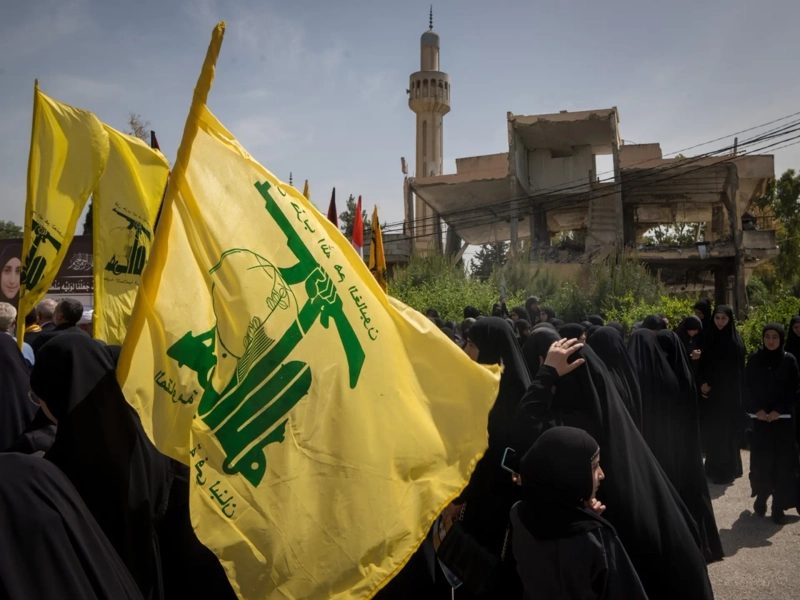
Tensions in the Middle East are rising again after the deadliest fighting in months between Israel and Hezbollah, as the US prepares additional economic sanctions on Iran.
Bloomberg reported on Aug. 16 that the Israel Defense Forces said it killed senior Hezbollah commander Abu Hassan Alla in an airstrike in southern Lebanon a day earlier. The strike killed 11 people in total, making it the deadliest attack since a ceasefire was agreed in early June.
Israeli Prime Minister Benjamin Netanyahu called the strike retaliation for a Hezbollah attack that wounded three Israeli soldiers earlier. Israel has said it will strike Hezbollah again if further threats emerge.
The escalation is also adding pressure to stalled negotiations between the US and Iran. Their ceasefire agreement is due to formally expire on Aug. 17, but the two sides remain far apart on reopening the Strait of Hormuz, a key sticking point in the talks.
At the same time, President Donald Trump's administration is preparing additional economic measures to increase pressure on Iran. In a recent Fox News interview, Trump said he plans to tighten pressure on Iran's economy and would not mind if the conflict remains unresolved until the US midterm elections in November.
Still, Washington has limited room to expand sanctions further. China buys more than 90% of Iran's oil, meaning any meaningful increase in pressure may require so-called secondary sanctions targeting third countries such as China. That could prompt retaliation from Beijing, weigh on the US economy and add to uncertainty in global energy prices.
Chris Kennedy, a Bloomberg Economics analyst, said it would be difficult for any US move to materially change Iran's calculations unless the president makes responding to the Iranian threat a higher priority than dealing with China.
The standoff over the Strait of Hormuz is also continuing. Before the war, the waterway handled about 20% of global oil and gas shipments, and control over it remains a core issue in negotiations between Washington and Tehran.
Iranian Armed Forces Commander Amir Hatami described the Strait of Hormuz as "a geopolitical asset given to the Iranian people" and said Iran would use all of its capabilities to protect it.
Attacks on vessels near the strait are continuing as well. The United Kingdom Maritime Trade Operations said it received a report on Aug. 15 that a bulk carrier's hull had been hit by a projectile. UAE state news agency WAM reported that two vessels belonging to Abu Dhabi National Oil Co. were attacked while passing through the Strait of Hormuz on Aug. 13, with another strike reported the following day.
According to the International Maritime Organization, about 65 vessel-related incidents were recorded in the Strait of Hormuz from early March through Aug. 11. At least 17 people were killed.
Concerns over disruptions to oil supply are also building again. Repeated attacks on ships in and around the Strait of Hormuz have weakened expectations for a normalization in crude transport, and Brent crude rose about 6% last week.
Iran and Oman are working on what they call a shipping map to manage vessel traffic through the Strait of Hormuz. The US is not participating in the discussions, and Iran has also said any agreement with Oman would not lead to a full reopening of the strait.
Iranian Foreign Minister Abbas Araghchi said talks with Oman are separate from negotiations with the US. The US-Iran talks are being held with Qatar and Pakistan serving as mediators.

Suehyeon Lee
shlee@bloomingbit.ioI'm reporter Suehyeon Lee, your Web3 Moderator.