Gold Holds Near $4,420 as Fed Hike Bets Recede, Dollar Weakens
Summary
- Slowing US economic data weakened expectations for additional Fed rate hikes, helping gold prices extend their two-day advance near $4,420 an ounce.
- Dollar weakness, fading rate-hike expectations and concerns over the US fiscal burden are supporting investors' demand for gold.
- Increased central-bank gold buying led by China, along with the FOMC minutes and monetary-policy remarks at the Jackson Hole symposium, are in focus as key factors for gold prices.
Forecast Trend Report by Period


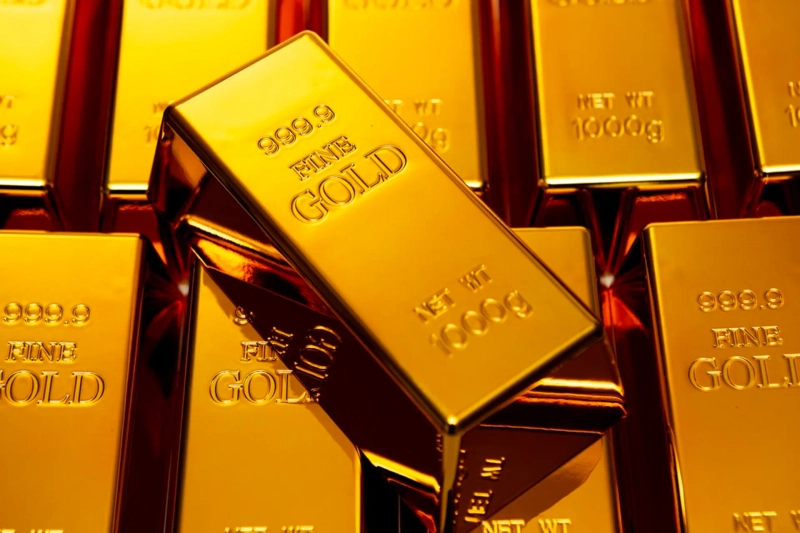
Gold held near $4,420 an ounce after extending gains over the previous two sessions, as a string of weaker-than-expected US economic reports undermined expectations for additional Federal Reserve rate increases.
Spot gold traded around $4,420 an ounce on Aug. 17, according to Bloomberg. Bullion rose about 1.5% over the prior two trading sessions and was up 0.2% at $4,425.80 an ounce as of 8:05 a.m. in Singapore.
Softer US economic data has weighed on the dollar and lent support to gold. Bloomberg's dollar spot index fell for a fourth straight session to its lowest level since May. In the rates swaps market, traders have also scaled back the odds of another increase this year after fully pricing in an additional hike as recently as a week ago.
"The weaker dollar and fading expectations for rate hikes are easing two headwinds that had driven the earlier correction in gold prices," Ole Hansen, Saxo Bank's head of commodity strategy, said.
Concerns about the US fiscal burden are also supporting demand for gold. Rising government spending, increased issuance of long-term Treasuries and inflation worries have pushed 30-year Treasury yields to their highest level in about two decades. In that backdrop, investors may look to gold as a hedge against rising government debt, Hansen added.
Geopolitical tensions in the Middle East remain another variable because they could still revive monetary tightening through inflation. President Donald Trump said he was not interested in extending a temporary ceasefire agreement reached with Iran in June. Oil shipping disruptions have also persisted following attacks on vessels in the Strait of Hormuz.
Gold's recent rebound above $4,000 an ounce has also been supported by a recovery in investment demand and increased central-bank purchases led by China. Last week, bullion rose above its 100-day moving average for the first time since April and has held that level since.
Investors are now focused on minutes from the Fed's July Federal Open Market Committee meeting due on Aug. 19. Monetary-policy remarks from Fed Chair Kevin Warsh at the Jackson Hole symposium later in August are also expected to be a key driver for gold prices.

Suehyeon Lee
shlee@bloomingbit.ioI'm reporter Suehyeon Lee, your Web3 Moderator.