PiCK
US Threat of Iran Secondary Sanctions Raises Risk of Clash With China, Buyer of 90% of Iranian Oil
Summary
- The report said the US highlighted the risk of an economic clash with China after warning of secondary sanctions on countries and companies that continue doing business with Iran.
- It said sanctions on China, which buys about 90% of Iran's crude oil, could unsettle the US-China trade truce.
- The report said a full-scale rollout of secondary sanctions could spread the fallout to China, India, Turkey and Gulf countries, potentially escalating into a broader global economic conflict.
Forecast Trend Report by Period


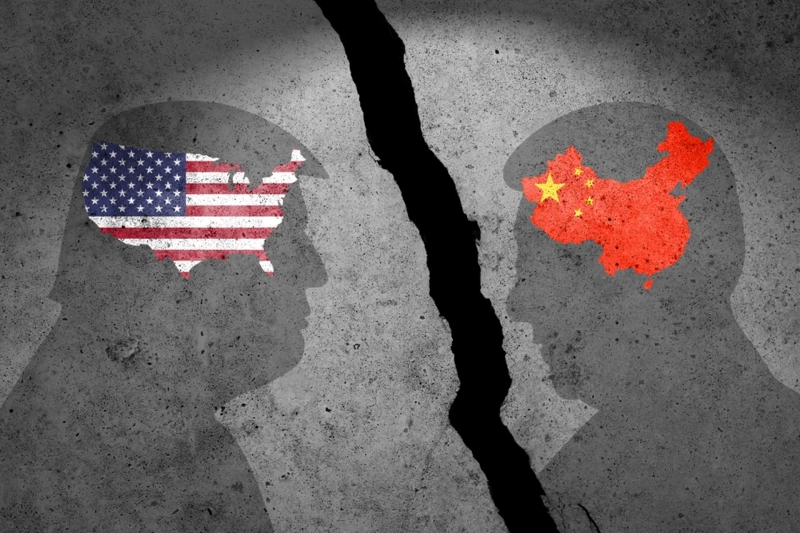
The risk of an economic clash between the US and China has emerged as Washington signals it could impose secondary sanctions on countries that continue doing business with Iran.
Bloomberg reported on Aug. 24 that US Treasury Secretary Scott Bessent said he would pursue an "economic D-Day" aimed at cutting Iran off from the global financial system. He also warned of possible secondary sanctions on companies and countries that keep trading with Tehran. The US government that day added dozens of Iran-linked companies, individuals and vessels to its sanctions list.
China is central to the issue. It is the largest buyer of Iranian crude, taking about 90% of the country's total oil exports. Any meaningful effort to choke off Iran's main source of revenue would effectively require sanctions on Chinese companies. Such a move, however, could disrupt the US-China trade truce that has held in recent months.
Bessent was cautious on whether Washington would directly sanction China. Asked about additional measures targeting the country, he said "no one is exempt from the reach of US sanctions" but added that he preferred "quiet diplomacy," without naming specific targets. A summit next month between President Donald Trump and Chinese President Xi Jinping is also complicating the decision.
China has said it opposes unilateral US sanctions on Iran. Chinese state-owned companies have largely complied in order to preserve access to the US financial system. Some private "teapot" refiners, however, have continued importing Iranian crude through indirect channels. Lin Jian, a spokesman for China's Foreign Ministry, said sanctions and pressure would not help solve the issue and would only escalate tensions.
If the US extends sanctions to Chinese banks or major companies, Beijing could retaliate by tightening restrictions on exports of critical minerals. Bessent said Washington would first give companies and countries time to unwind their ties with Iran, citing the potential shock to global financial markets. "Why would I want to bring down the global financial system?" he said, signaling a phased approach.
If secondary sanctions are enforced in earnest, the fallout may not stop with China. India, Turkey and Gulf countries that maintain economic ties with Iran could also be affected, raising the possibility that Washington's pressure campaign broadens into a wider global economic dispute.

Suehyeon Lee
shlee@bloomingbit.ioI'm reporter Suehyeon Lee, your Web3 Moderator.