Summary
- The US plans to keep up pressure on Iran by focusing on economic sanctions and a maritime blockade instead of additional airstrikes.
- The US said Iran's influence over the global energy market has weakened as mine-clearing operations and secured shipping lanes in the Strait of Hormuz improved access.
- The US said it aims to increase oil shipments through the Strait of Hormuz while blocking Iranian oil exports, and that the pressure campaign could help bring Tehran back to negotiations.
Forecast Trend Report by Period


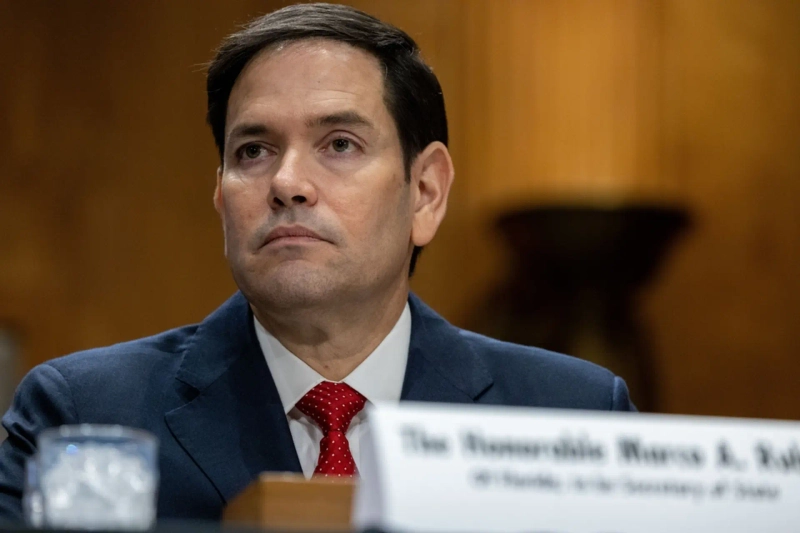
The US plans to refrain from launching additional airstrikes on Iran for the time being and instead keep up pressure through economic sanctions and a maritime blockade.
Secretary of State Marco Rubio recently told several allied foreign ministers that the US does not expect to launch new attacks on Iran "for the time being," Axios reported on August 25. Washington instead plans to focus on non-military pressure, including the new Iran sanctions announced this week.
That does not mean military action is off the table. A US official said Rubio made clear there are no plans to resume large-scale military operations while leaving open the possibility of renewed airstrikes if Iran strikes first. Another official said the current approach could remain in place at least until after the November midterm elections, after which new military operations could return as an option.
Rather than carry out further military attacks, the US plans to intensify economic pressure on Iran through a maritime blockade and financial sanctions. US officials believe Iran's ability to influence global energy markets has weakened sharply after the US Navy cleared mines from most of the Strait of Hormuz and more oil tankers recently began using the southern shipping lane. "Iran has lost control of the strait, and now the US controls it," one US official said.
At the same time, the US plans to maximize crude shipments through the Strait of Hormuz while blocking Iranian oil exports. US officials said tankers have scarcely been seen near Kharg Island, Iran's main oil export hub, over the past two weeks.
There are currently no formal negotiations underway between the US and Iran. "Right now, we are not negotiating with Iran. We are pressuring it," a US official said. The official added that the pressure could bring Iran back to the negotiating table. Steve Witkoff, the White House special envoy who has led talks with Iran, and Jared Kushner are scheduled to visit US Central Command on August 26 for a briefing on the situation.

Suehyeon Lee
shlee@bloomingbit.ioI'm reporter Suehyeon Lee, your Web3 Moderator.