Gold Surges 10% in August, Bitcoin Rallies 12% as Treasury Buybacks Pressure Dollar
Summary
- The U.S. Treasury's expanded long-term bond buybacks fueled concern over dollar weakness, helping gold rise 10% in August and Bitcoin gain 12%.
- The debasement trade is regaining momentum as investors brace for rising government debt and wider fiscal deficits, with bullish wagers on gold continuing through gold ETFs, derivatives and options.
- With more than $2 billion flowing into spot Bitcoin ETFs and macroeconomic hedging demand expanding, the next move will depend on U.S. Treasury market policy, the dollar's value, and whether spot inflows continue.
Forecast Trend Report by Period


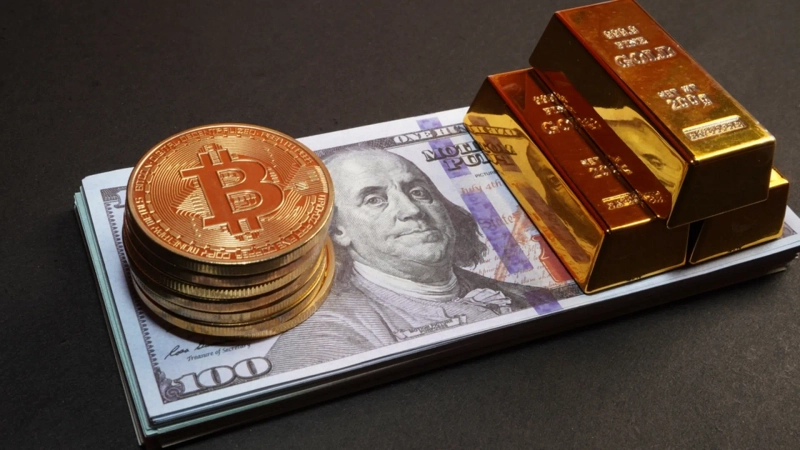
Expanded U.S. Treasury buybacks of long-dated bonds are fueling concern over dollar weakness, lifting alternative stores of value in tandem. Gold has surged 10% in August, while Bitcoin has climbed 12%.
Bloomberg reported on Aug. 30 that spot gold was up about 10% this month and was on track for its biggest monthly gain since January. Bitcoin has also risen 12% since Aug. 19, breaking out of a months-long trading range and briefly topping $80,000.
The rally in gold and Bitcoin has been driven by the Treasury Department's expanded purchases of long-term debt. Treasury Secretary Scott Bessent recently said the government would at least double its purchases of outstanding Treasuries with maturities of 10 to 30 years. As the Treasury moved to contain increases in long-term yields, the dollar came under pressure. Investors then turned to gold and Bitcoin as hedges against a decline in purchasing power.
The so-called debasement trade is regaining momentum in the market. The strategy involves buying scarce assets such as gold or Bitcoin to guard against a potential decline in the real value of fiat currencies as government debt and fiscal deficits widen.
Akash Doshi, global head of gold and metals strategy at State Street Investment Management, said investors are returning to gold not only through exchange-traded funds but also through derivatives markets. The debasement trade has paused, not disappeared, and is drawing renewed attention ahead of September.
Bullish wagers on gold are also becoming more diverse. Investors are using not only outright call options but also lower-cost call spreads and exotic options to position for further gains. Even so, implied volatility in gold options and premiums on bullish bets remain below levels seen at the start of the year, suggesting some investors still expect prices to stay within a range even if the rally continues.
For Bitcoin, dollar weakness has been amplified by short covering. CoinGlass data show that more than $2.5 billion of short positions were liquidated in the Bitcoin perpetual futures market from Aug. 19 to Aug. 21. That forced buying accelerated the advance and briefly pushed Bitcoin above $80,000.
Institutional money is also flowing in. More than $2 billion has entered U.S.-listed spot Bitcoin ETFs since Aug. 19. That has reinforced the view that Bitcoin's recent strength goes beyond a simple short squeeze and, like gold, is increasingly tied to macro hedging demand against eroding dollar purchasing power.
Still, a hawkish message from Federal Reserve Chair Kevin Warsh in his Jackson Hole speech could constrain further gains. After he emphasized the Fed's commitment to curbing inflation, expectations for higher interest rates increased. The next move in gold and Bitcoin will depend on U.S. Treasury market policy, the dollar's direction and whether spot inflows continue.

Suehyeon Lee
shlee@bloomingbit.ioI'm reporter Suehyeon Lee, your Web3 Moderator.