Gold Drops More Than 3% After Warsh Reaffirms Inflation Fight, With September Fed Hike Odds in Focus
Summary
- Spot gold steadied near $4,450 an ounce after plunging more than 3% following Warsh’s remarks on fighting inflation.
- Markets are pricing in better-than-even odds of an additional benchmark interest-rate hike by the Fed in September, which could reduce gold’s relative investment appeal.
- Gold rose about 10% in August after the U.S. Treasury announced an expansion of long-term Treasury buybacks, reviving the debasement trade.
Forecast Trend Report by Period


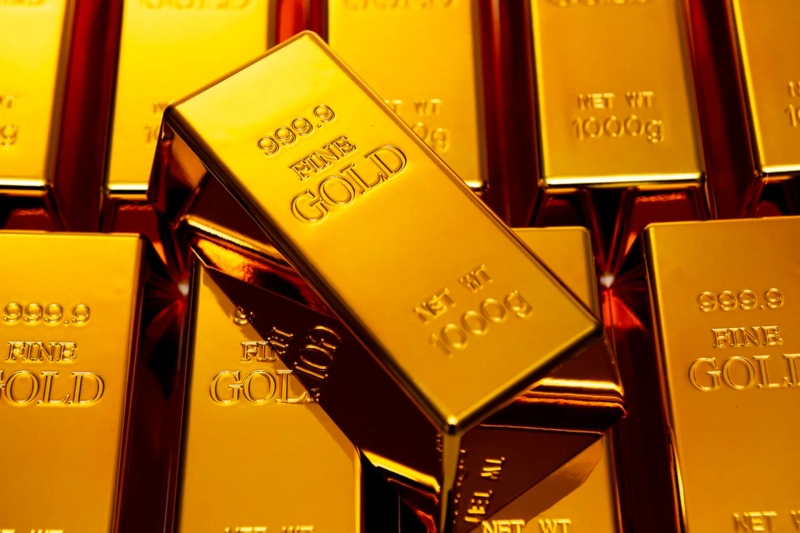
Gold steadied around $4,450 an ounce after sliding more than 3% on Kevin Warsh’s renewed commitment to bring inflation back under control.
Spot gold traded at $4,450.86 an ounce as of 7:55 a.m. in Singapore on Aug. 30, down 0.1% from the previous session, Bloomberg reported. On Aug. 28, the metal sank more than 3%, its biggest one-day drop since early June.
The selloff followed Warsh’s speech at Jackson Hole. At the Federal Reserve’s annual economic policy symposium in Jackson Hole, Wyoming, Warsh reaffirmed his commitment to return inflation to the Fed’s 2% target. He also described the 2% inflation goal as “a firm and fixed target,” adding to market caution over tighter policy.
Markets are now pricing in better-than-even odds that the Fed will raise its benchmark interest rate again in September. Because gold does not pay interest, higher rates can make it less attractive relative to other assets.
Renewed military conflict in the Middle East has also added to inflation concerns. The U.S. military said on Aug. 30 that Iran had been preparing to deploy mines in the Strait of Hormuz and that it struck Iranian rocket launchers. It was the first direct U.S. strike on Iran in more than a month, and the jump in oil prices raised the prospect of renewed energy-driven inflation pressure.
Despite the recent drop, gold is still up about 10% for August. If that holds, it would mark the biggest monthly gain since January. Prices surged after the U.S. Treasury unexpectedly announced in mid-August that it would expand buybacks of long-term Treasuries.
The Treasury’s intervention in the bond market revived the so-called debasement trade, in which investors buy scarce assets such as gold as a hedge against rising government debt and the erosion of fiat currencies. That investment flow was also a major driver of gold’s 65% surge last year.
Silver was little changed at $66.35 an ounce, while platinum and palladium were also largely steady. The Bloomberg Dollar Spot Index was flat after rising 0.4% in the previous session.

Suehyeon Lee
shlee@bloomingbit.ioI'm reporter Suehyeon Lee, your Web3 Moderator.