Summary
- The yen has climbed back above 160 yen per dollar, with traders watching 161 yen and the 162 to 163 yen range as key thresholds for further foreign-exchange intervention.
- Japanese authorities have already spent a record $96.4 billion to defend the yen, but much of the impact has faded, raising concern that any new intervention may have limited effect.
- In the swaps market, traders are pricing in about a 90% chance of a BOJ rate hike on Sept. 18, making rate increases and any further intervention key drivers of future yen weakness and speculative flows.
Forecast Trend Report by Period


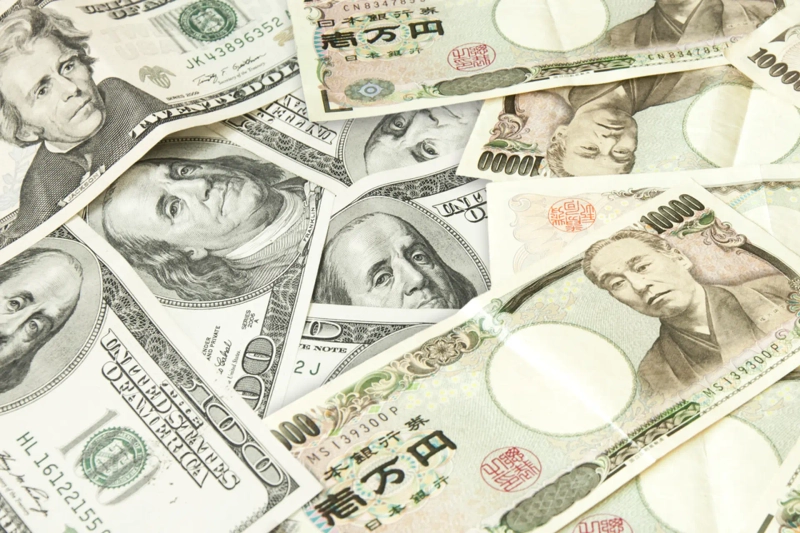
The yen has weakened past 160 per dollar again, sharpening market focus on whether Japanese authorities will step back into the foreign-exchange market.
Bloomberg reported on Aug. 31 that foreign-exchange strategists see 161 per dollar as the first threshold for possible intervention if the yen’s decline accelerates. A move into the 162 to 163 range would further raise the odds of official action.
The yen fell to 160.09 per dollar in New York trading on Aug. 28. In Tokyo trading at 11:50 a.m. on Aug. 31, it was at 159.77, about 0.2% stronger than the previous session but still hovering near the 160 level.
Recent yen weakness has been driven in part by broad dollar strength tied to expectations for higher U.S. interest rates. After Kevin Warsh, chair of the Federal Reserve, emphasized a hawkish stance, the dollar rose against major currencies on Aug. 28, putting additional pressure on the yen.
Japan intervened in the foreign-exchange market in late July after the yen fell to its weakest level in 40 years. The U.S. joined the effort, marking the first joint U.S.-Japan yen-buying intervention since 1998. Japan spent a record $96.4 billion over the past month to support the currency, according to the Finance Ministry.
Still, more than half of the yen’s post-intervention gains have already been erased. Even immediately after the move, the currency did not strengthen beyond 155 per dollar, and it has since slipped back above 160.
Rinto Maruyama, senior rates and foreign-exchange strategist at SMBC Nikko Securities, said 161 is the first level to watch. Attention would then turn to the 162.9 to 163.3 range where authorities intervened last time. He also said Japan placed considerable weight on defying market expectations during the previous operation, meaning officials could step in regardless of any specific exchange-rate level.
Japanese authorities have consistently said the key trigger for intervention is not a particular exchange rate but the speed and disorder of the yen’s moves. Japanese Finance Minister Satsuki Katayama and U.S. Treasury Secretary Scott Bessent have also signaled they could take additional action if needed.
Markets are also pricing in another Bank of Japan rate hike. In the swaps market, traders assign about a 90% chance to a benchmark rate increase at the BOJ’s Sept. 18 monetary policy meeting. By Oct. 30, a hike is fully priced in.
Rodrigo Catril, a strategist at National Australia Bank, said the risk of foreign-exchange intervention would rise meaningfully if dollar-yen moves above 162. But any Japanese action may have only limited effect as long as the dollar stays broadly strong on hawkish U.S. monetary-policy expectations.
Speculative money is also swinging back toward yen weakness. Hedge funds sharply cut short-yen positions immediately after last month’s intervention, but they have recently begun rebuilding those bearish bets.
Some market participants say Japanese authorities may first wait for the BOJ’s September decision. With markets already heavily positioned for a September increase, officials may want to see whether a rate hike can ease yen weakness before deciding on further intervention.
Still, intervention alone may struggle to reverse the yen’s decline because Japan’s real interest rates remain deeply negative. Market participants are also discussing the need for further BOJ rate hikes and policies to encourage overseas capital to flow back into Japan.

Suehyeon Lee
shlee@bloomingbit.ioI'm reporter Suehyeon Lee, your Web3 Moderator.