Summary
- The US 30-year Treasury yield traded above 5% on 55 days this year through August 31, the most since 2006.
- Concerns over the US fiscal deficit, increased corporate bond issuance, and uncertainty over Fed policy may keep long-term yields elevated.
- Markets are pricing in about 0.17 percentage point of tightening at the September FOMC meeting, while the 30-year Treasury options market is seeing bets on yields rising to 5.7%.
Forecast Trend Report by Period


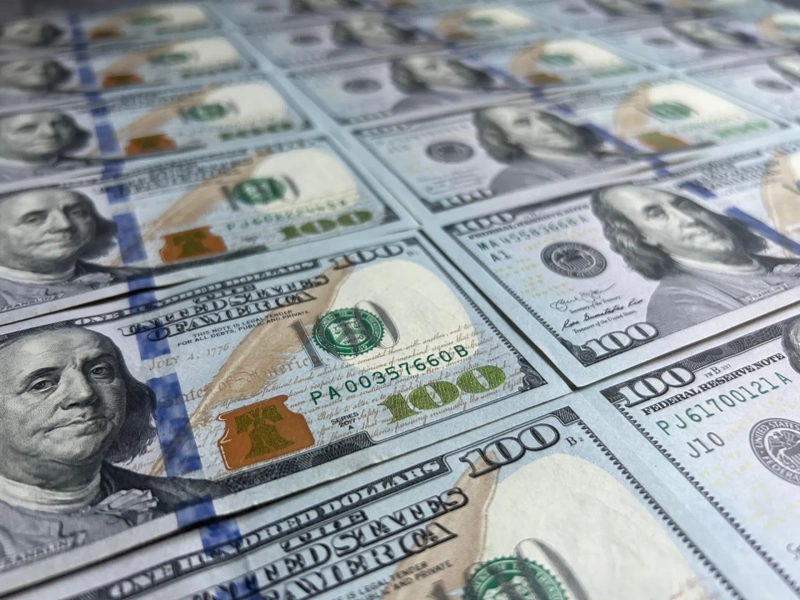
Concerns over the US fiscal deficit, a surge in corporate bond issuance and uncertainty around Federal Reserve policy have kept the 30-year Treasury yield above 5% for the longest stretch since 2006.
Bloomberg reported on August 31 that the US 30-year Treasury yield rose as high as 5.34% in mid-August, the highest since 2007. That was just 0.10 percentage point below its highest level of the past 22 years. Through August 31, the 30-year yield had traded above 5% on 55 days this year, the most since 2006. The yield was around 5.27% on September 1.
US Treasury Secretary Scott Bessent announced last month an expansion of existing Treasury buybacks to help lower long-term yields. Investors, however, see the effect as limited. A record volume of corporate bonds was issued last month, and roughly $215 billion of new corporate bond sales is expected in September. Concerns over the US government's large fiscal deficit have also persisted.
John Briggs, Natixis's head of North America US rates strategy, said long-term yields could remain elevated until welfare reforms are enacted that can change the structure of the fiscal deficit. Treasury buybacks are negligible relative to the size of the broader market, he added.
The Federal Open Market Committee meeting on September 15-16 is another key variable for long-term yields. After Fed Chair Kevin Warsh delivered a hawkish message at last week's Jackson Hole economic symposium, markets priced in about 0.17 percentage point of tightening at the September meeting. That implies roughly a 70% chance of a quarter-point rate increase.
Long-dated Treasuries are relatively sensitive to inflation expectations. If price pressures are reaffirmed in the August jobs report due on September 4 and a key inflation reading scheduled for September 11, and the Fed still leaves rates unchanged, the 30-year bond could face additional selling. In the US Treasury options market, some trades have already bet on the 30-year yield rising to about 5.7% by November 20.
Bank of America rate strategists Meghan Swiber and Eleanor Xiao said investors remain reluctant to extend duration despite Treasury buybacks and recent policy steps. Outside insurers and pension funds, key buyers of long-term Treasuries, many bond managers tend to limit holdings of longer-dated debt to reduce sensitivity to rate volatility.
Still, some investors believe the 30-year yield may be nearing a peak after already rising about 0.65 percentage point from this year's low. Priya Misra, a portfolio manager at JPMorgan Asset Management, said Treasury buybacks may offer some support for demand for long-term government bonds, but heavy debt supply tied to AI infrastructure investment could outweigh that effect. Long-term yields may be nearing a peak, she said, but uncertainty remains because multiple factors are acting at once.

Suehyeon Lee
shlee@bloomingbit.ioI'm reporter Suehyeon Lee, your Web3 Moderator.