Bitcoin-Gold Correlation Hits Record High, a Pattern That Previously Preceded Bitcoin Rallies
Summary
- Bitcoin and gold's 90-day Pearson correlation coefficient has reached a record high, fueling speculation that a bullish pattern seen in the past could reappear.
- Inflows are continuing into Bitcoin and gold ETFs, and spot Bitcoin ETFs have recorded cumulative net inflows of $1.89 billion this year.
- Past episodes of sharp gains in the correlation coefficient were followed by Bitcoin rallies of 172% and 350%, while Bitcoin's Fear and Greed Index currently stands at 68 in the "Greed" zone.
Forecast Trend Report by Period


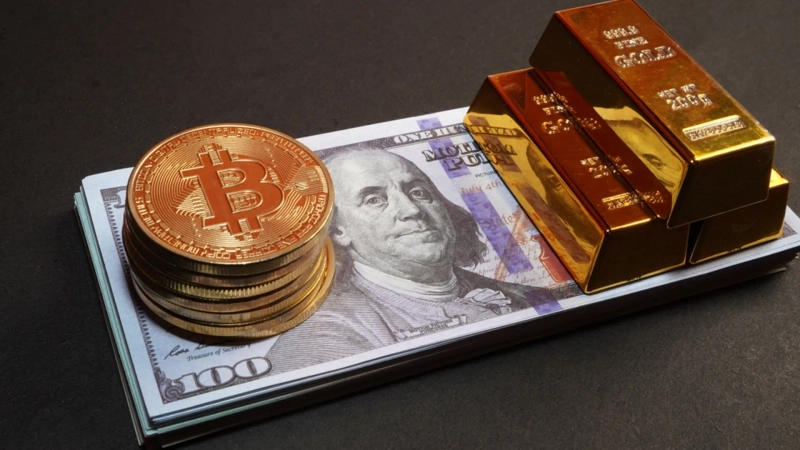
Bitcoin's price correlation with gold has climbed to a record high, raising the prospect of a repeat of the rallies seen in past cycles.
The Block reported on September 1 that the 90-day Pearson correlation coefficient between Bitcoin and gold reached an all-time high. The 30-day correlation coefficient also rose to 0.8, its highest level this year. The Pearson correlation coefficient measures how closely two assets move together, with a reading closer to 1 indicating stronger alignment.
Analysts say the recent rise in both assets reflects the so-called debasement trade. Investors worried about falling purchasing power in fiat currencies, including the dollar, have been shifting money into scarce assets such as gold and Bitcoin.
Inflows are also continuing into exchange-traded funds. Gold and Bitcoin ETFs recently ranked among the top 10 ETFs by inflows. Spot Bitcoin ETFs took in about $1 billion last week, bringing cumulative net inflows this year to $1.89 billion. BlackRock's IBIT has attracted $1.2 billion in net inflows so far this year.
There have been earlier instances in which Bitcoin rallied after its correlation with gold rose sharply. In the fourth quarter of 2020, the correlation between the two assets climbed to 0.6. As the reading later fell, Bitcoin surged 172%.
A similar pattern emerged in the fourth quarter of 2022. The Bitcoin-gold correlation rose from around zero to about 0.5, and Bitcoin then jumped nearly 350% over about 14 months. In those earlier cases, Bitcoin's rally gathered momentum after the correlation peaked and then began to decline.
Investor sentiment is also improving rapidly. Bitcoin's Fear and Greed Index currently stands at 68, in the "Greed" zone. It fell as low as 5 earlier this year, signaling "Extreme Fear," but rose sharply between August 17 and August 21. During that period, the index gained more than 10 points a day on average, marking its fourth-largest weekly increase on record.
Still, some analysts say sentiment has not yet reached the overheated levels seen at prior bull-market peaks. This year, the Fear and Greed Index has ranged from a low of 5 to a high of 74, a swing of 69 points. That is the sixth-largest range in the past nine years, though still below the 90-point move recorded in 2019.

Suehyeon Lee
shlee@bloomingbit.ioI'm reporter Suehyeon Lee, your Web3 Moderator.