PiCK
U.S. Senate Vote Nears on CLARITY Act as Crypto, Banks Wage Final Lobbying Battle
Summary
- The U.S. Senate is scheduled to hold a procedural vote on the CLARITY Act on Sept. 15.
- The bill would clarify how digital assets and tokens are classified as securities or commodities, and define regulators’ jurisdiction.
- With the crypto industry and the banking sector at odds, securing 60 votes in the Senate is the key hurdle to passing the bill.
Forecast Trend Report by Period


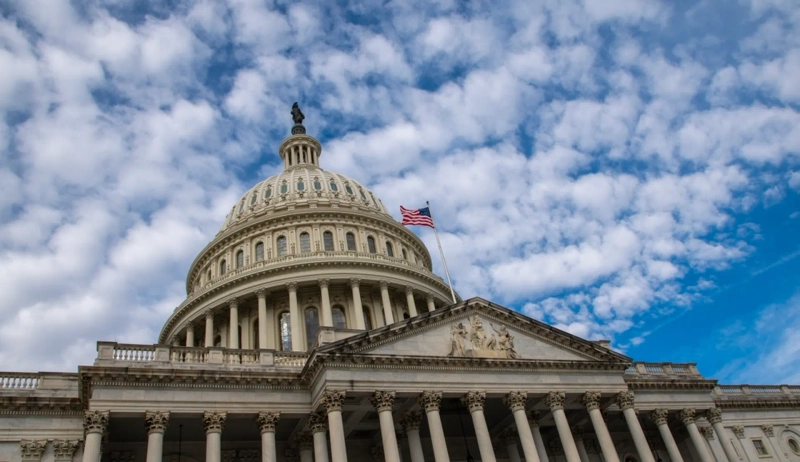
A U.S. Senate procedural vote on Sept. 15 could determine the fate of the CLARITY Act, a market-structure bill for digital assets, as the crypto industry and banks mount a last-minute lobbying push.
Reuters reported on Sept. 9 that the Senate is set to hold the procedural vote on Sept. 15. The result could effectively decide the bill’s trajectory, but its outlook remains unclear as Democrats and some Republicans argue it lacks sufficient safeguards.
The CLARITY Act would define which digital tokens are classified as securities or commodities and clarify the jurisdiction of regulators. The Trump administration is also strongly backing the measure.
The crypto industry used the congressional recess, which began on Aug. 8, to intensify outreach in lawmakers’ home states. Stand With Crypto, a Coinbase-backed advocacy group, placed opinion pieces in local media in Oklahoma, Kentucky and Kansas urging passage of the bill, and held related events in Iowa and Michigan.
The group’s supporters sent lawmakers about 50,000 calls and emails in August alone. Stand With Crypto says it has about 3 million supporters and is also arranging in-person meetings with lawmakers.
The Blockchain Association also launched a campaign website in late July urging support for the CLARITY Act, allowing individuals and companies to send letters directly to senators.
A key reason the industry is pushing to advance the bill now is the November midterm election. If Democrats retake the House majority, passage could become even more difficult. The crypto industry has already spent at least $190 million targeting the election.
Banks, by contrast, are trying to block the bill, citing its potential impact on the financial system. Democratic lawmakers say the measure lacks adequate anti-money-laundering and ethics safeguards. Some Republicans, including Senators James Lankford and Mike Rounds, have also raised concerns that some digital tokens could compete with bank deposits and weaken lending capacity.
The Independent Community Bankers of America has been particularly opposed to the bill’s stablecoin provisions. It urged community bank executives to meet directly with senators visiting their home states during the recess. Its lobbying effort extended beyond members of the Senate Banking Committee, which approved the bill in May, to other senators as well.
Because the bill needs 60 votes to clear the Senate, additional Democratic support will be critical. With the crypto industry and banks sharply at odds, the Sept. 15 procedural vote could prove the biggest turning point yet for the CLARITY Act.

Suehyeon Lee
shlee@bloomingbit.ioI'm reporter Suehyeon Lee, your Web3 Moderator.