PiCK
Wall Street Stays Bullish on Stocks Despite Near-Certain Fed Rate Hike, Citing Strong Earnings
Summary
- Major Wall Street investment banks said the bull market in stocks is likely to continue despite high odds of a Federal Reserve rate hike, citing solid economic growth and corporate earnings.
- Goldman Sachs, Morgan Stanley and JPMorgan said that unless there is a prolonged rate-hike cycle and an inflation shock, any stock-market correction, including in the S&P 500, is unlikely to turn into a prolonged downturn.
- They added that in the short term, global oil prices, geopolitical tensions in the Middle East, and the potential for September weakness in equities are likely to shape investor sentiment, leaving room for greater volatility.
Forecast Trend Report by Period


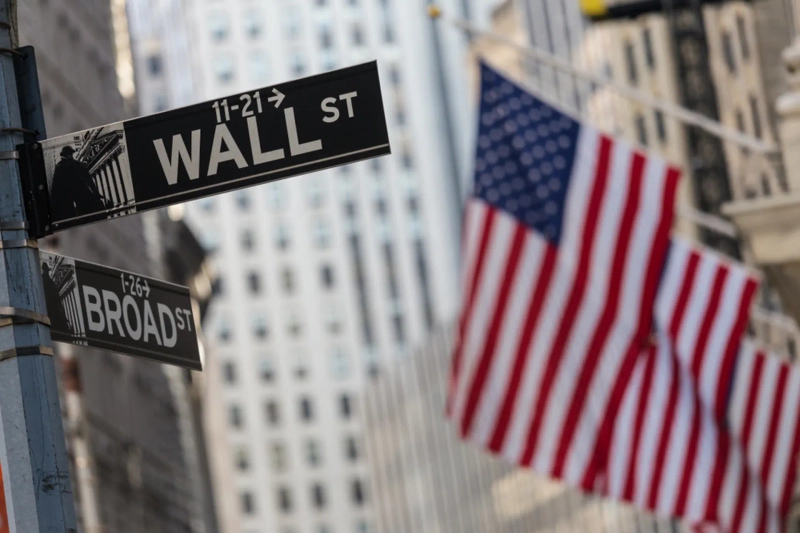
The odds of a Federal Reserve rate increase are approaching 90%, but major Wall Street investment banks still expect the bull market in stocks to continue, citing solid economic growth and corporate earnings.
Bloomberg reported on September 14 that strategists at Morgan Stanley, JPMorgan Chase and Goldman Sachs expect any equity pullback caused by Fed tightening to be limited rather than the start of a prolonged downturn.
Ben Snider, Goldman Sachs' chief U.S. equity strategist, said stocks typically struggle when the Fed begins raising rates, but he expects the bull market to continue this time. Markets have already priced in more than three rate hikes over the next year, while corporate earnings and balance sheets remain strong.
Rate swaps are currently pricing in an 87% chance that the Fed will raise its benchmark rate on September 16. If it does, it would mark the first rate increase in three years.
U.S. stocks have recently been rattled by high oil prices and rising yields. With crude topping $100 a barrel, the yield on the 10-year U.S. Treasury has approached 5%. Nasdaq 100 futures fell 1.6% on the day. Even so, the S&P 500 remains within 2% of the record high it set last month. Analysts say valuations are being supported by second-quarter earnings that were among the strongest on record.
Past episodes also show that a single rate hike rarely ends a bull market. Bloomberg analysis found that, among 12 bear markets since 1945 in which the S&P 500 fell more than 20% and four additional declines of 18% to 20%, six came after extended rate-hike cycles led to recessions.
Michael Wilson, a Morgan Stanley strategist, said stocks could correct by more than 10% from recent highs if the inflation shock proves stronger than expected. Still, equities can withstand rising long-term yields if they are driven by strong nominal economic growth.
JPMorgan offered a similar view. A strategy team led by Mislav Matejka said the stock market can absorb Fed rate increases as long as tightening remains gradual, corporate profit growth stays solid and inflation expectations remain contained.
In the near term, however, crude oil prices are likely to be the key driver of investor sentiment. With geopolitical tensions in the Middle East persisting and September typically a weak month for equities, short-term volatility could still increase.

Suehyeon Lee
shlee@bloomingbit.ioI'm reporter Suehyeon Lee, your Web3 Moderator.