PiCK
People Power Party's Song Eon-seok Calls for Ending Crypto Income Tax, Citing Stock Tax Fairness and Capital Flight Risk
Summary
- Rep. Song Eon-seok said abolishing the crypto income tax is necessary and that tax fairness with stocks should be considered.
- He said the crypto market is a global single market, raising concern that taxing crypto income could trigger capital outflows to overseas markets such as Singapore and Hong Kong.
- Song said higher tax revenue should be used for repaying national debt and easing the income-tax burden, rather than for a future response fund.
Forecast Trend Report by Period


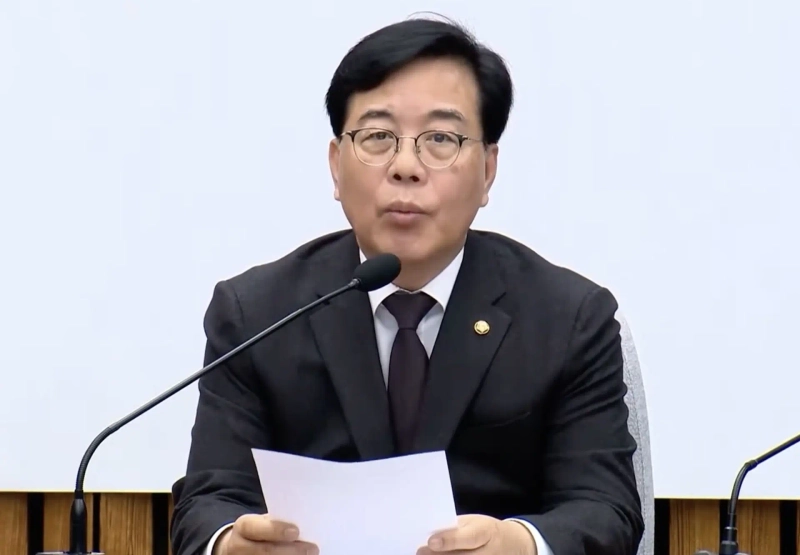
Rep. Song Eon-seok of the People Power Party said crypto income tax should be abolished, citing tax parity with stocks and the risk of capital outflows overseas.
In a Facebook post on September 16, Song wrote that crypto income tax should also be scrapped under the same principle and that tax fairness with stocks should be taken into account.
He also cited the borderless nature of the crypto market as a global single market. Taxing crypto income could drive substantial funds to overseas markets such as Singapore and Hong Kong, he said, because digital assets trade in a global unified market.
Song made the call to abolish crypto taxation while criticizing the government's plan to set aside additional tax revenue in a future response fund. Higher-than-expected tax receipts should be used first to repay national debt or ease the public's tax burden, rather than be piled into the fund, he wrote.
He said South Korea's national debt next year will reach 1,519.8 trillion won ($1.1 trillion). At the same time, tax revenue will rise by 194.2 trillion won ($140.3 billion) and national debt will still increase by 106 trillion won ($76.6 billion). He argued it is difficult to justify further increasing national debt even as tax revenue rises sharply.
Song also pointed to the burden of income taxes on the public. He said income tax next year will total 180 trillion won ($130.1 billion), up 48.1 trillion won ($34.8 billion), or 36%, from 132 trillion won ($95.4 billion) in 2026. He added that the government should first consider returning the increased tax revenue to the public through earned-income tax cuts and refunds.
"The government should not swell its fiscal coffers first just because tax revenue has increased," Song wrote. "Taxes paid by the public should first be used to reduce national debt and lower the public's tax burden."
He also urged the government to stop trying to establish the future response fund and instead pursue tax reform aimed at reducing the public's tax burden, including earned-income taxes.

Suehyeon Lee
shlee@bloomingbit.ioI'm reporter Suehyeon Lee, your Web3 Moderator.