Yen Resumes Decline After Hawkish Fed Hike; Dollar Could Hit 160 if BOJ Disappoints
Summary
- The yen weakened to 156.42 per dollar after the Fed's hawkish rate increase, drawing market attention to the BOJ's rate decision and any signal of further tightening.
- Markets say that even if the BOJ delivers a 0.25 percentage-point hike, the rate gap between the US and Japan may persist, raising the possibility of 158 yen per dollar and even 160 yen per dollar.
- Strategists said that if the BOJ fails to deliver a hawkish message, renewed yen weakness and a rise in the dollar-yen exchange rate could follow, though carry trade losses and the possibility of foreign-exchange intervention may limit any sharp decline.
Forecast Trend Report by Period


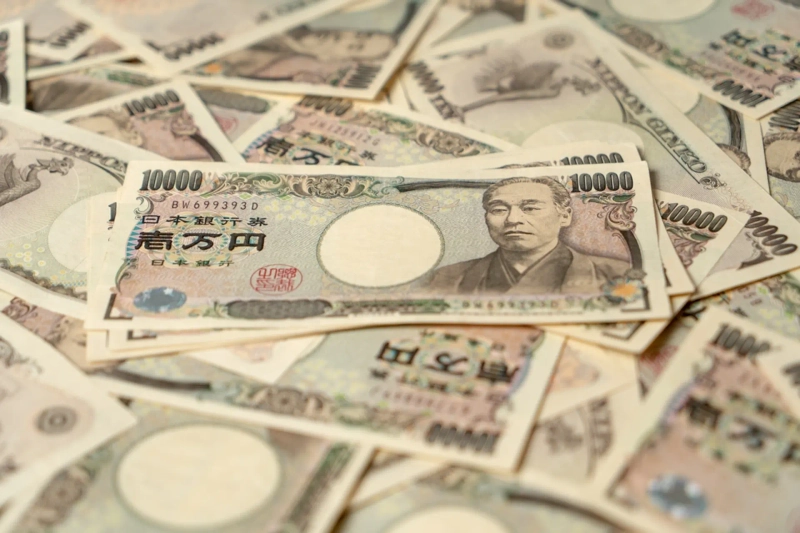
The yen resumed its slide after a hawkish interest-rate increase by the Federal Reserve, turning market attention to the Bank of Japan's policy decision on September 18 and any signal on further tightening.
Bloomberg reported on September 16 that the yen fell as much as 1% against the dollar intraday after the Fed decision, touching 156.42 per dollar. The currency had strengthened earlier this month on expectations of faster BOJ tightening and the unwinding of yen-funded carry trades, but has since reversed course.
The Fed's first benchmark rate increase since 2023, along with guidance signaling additional tightening, weighed on the yen. Markets are pricing in the possibility of three more Fed rate hikes by the middle of next year. That has fueled concern that the rate gap between the US and Japan may persist for some time even if the BOJ raises rates this week.
Investors are focused less on whether the BOJ will raise rates than on the pace of tightening afterward. Overnight index swaps have effectively priced in a 0.25 percentage-point increase. The key question is how hawkish BOJ Governor Kazuo Ueda will be on further hikes after the decision.
Glenn In, research director at ACCM, said Japan is under heavy pressure to raise rates while also delivering a hawkish message to limit yen weakness. A rapid move to 160 per dollar cannot be ruled out if the BOJ falls short of market expectations, he added.
Rising oil prices may also strengthen the case for BOJ tightening. Rinto Maruyama, chief rates and foreign-exchange strategist at SMBC Nikko Securities, said yen weakness gives the BOJ more reason to emphasize upside inflation risks, while high oil prices could also support the case for further tightening.
Still, the odds of a 0.50 percentage-point increase or back-to-back hikes are seen as limited because this move would bring Japan's policy rate into the estimated neutral-rate range. Maruyama said the dollar-yen rate could first move toward 158 if this meeting is taken as dovish. If US rates continue rising faster than Japan's, the pair could approach 160 again later, he said.
Akira Moroga, chief market strategist at Aozora Bank, also said a rate increase alone may not be enough to support the yen. If the BOJ does not strike as hawkish a stance as the Fed, yen weakness could resume, with 158.50 per dollar as the next key threshold.
At the same time, the pace of further declines may be more limited than before because carry traders recently took losses during the yen's sharp rebound and hedge funds have cut bearish yen bets. Possible foreign-exchange intervention by the US and Japan is also a factor that could curb a rapid drop in the yen.

Suehyeon Lee
shlee@bloomingbit.ioI'm reporter Suehyeon Lee, your Web3 Moderator.