U.S. Treasury Investors Flock to 2-Year Notes as Yields Near 4.75%, Seen Overpricing Further Fed Tightening
Summary
- Investors are increasingly viewing the drop in short-dated bond prices as a buying opportunity after the U.S. Treasury 2-year yield rose to around 4.75%.
- Although futures markets have priced in 0.8 percentage point of additional tightening over the next year, some investors say much of that outlook is already priced into 2-year notes, leaving room for a rebound.
- While inflation and the possibility of a benchmark rate above 5% remain risks for short-dated Treasury investments, strategists still emphasize the real investment value of the front end.
Forecast Trend Report by Period


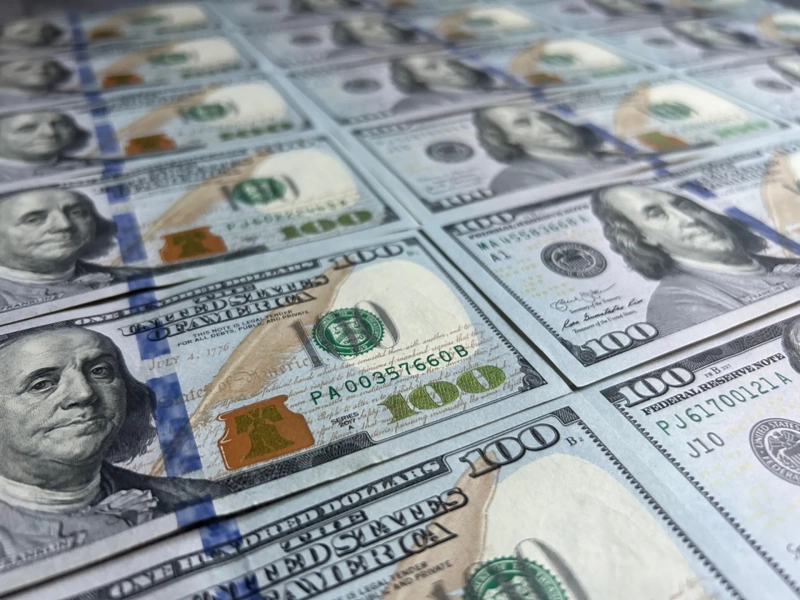
Investors are hunting for buying opportunities in short-dated U.S. Treasuries after the two-year yield surged to around 4.75%, a multi-year high, on expectations of further Federal Reserve rate increases.
Bloomberg reported on September 20 that investor interest in short-dated Treasuries has picked up after the Fed raised its benchmark rate for the first time since 2023. The view in markets is that if the Fed ultimately succeeds in curbing inflation, short-term Treasury yields could fall back from current elevated levels.
The two-year Treasury yield climbed to around 4.75% after the Fed's rate increase. That is roughly 1.4 percentage points above its February low. Short-dated Treasuries have remained under pressure as markets price in additional rate hikes, a sharp reversal from earlier expectations for rate cuts.
Futures markets are pricing in about 0.8 percentage point of additional tightening over the next year. That repricing followed comments from Fed Chair Kevin Warsh signaling an aggressive stance on inflation.
Some investors, however, believe much of that outlook is already reflected in two-year yields. If inflation cools or the Fed ends up raising rates by less than markets expect, two-year note prices could rebound.
"If you're looking for the part of the yield curve where rates have risen too far, it's the front end," Kevin Flanagan, head of investment strategy at WisdomTree, said. The fact that the two-year yield is well above the current federal funds rate means the short end has moved too far ahead, he added.
At its September 15-16 Federal Open Market Committee meeting, the Fed raised its benchmark rate by 0.25 percentage point to 3.75%-4.00%. Fed officials project one more increase this year and then rates holding steady through 2027, but the bond market is pricing in the possibility of even more aggressive tightening.
Two-year Treasuries are especially sensitive to changes in Fed policy. Compared with longer-dated debt, they also carry relatively lower price volatility risk, while current yields are at their highest since 2024.
"The message we're giving clients is that this is a good time to extend duration into the intermediate part of the curve," George Bory, chief bond investment strategist at Allspring Global Investments, said. Allspring increased its bond holdings after Warsh underscored his commitment to price stability at Jackson Hole, and that conviction strengthened after the latest Fed meeting.
Demand for short-dated debt is also likely to be tested in Treasury auctions this week. The U.S. Treasury plans to auction $69 billion of two-year notes on September 22 and $70 billion of five-year notes on September 23.
Further inflation remains a risk for investors in short-dated Treasuries. If energy prices stay elevated because of prolonged wars in the Middle East and Ukraine, or if the U.S. economy grows more strongly than expected, the Fed could raise rates more than markets currently anticipate.
Bank of America strategists said investors should also prepare for the possibility that the Fed lifts its benchmark rate above 5%. Warsh's recent description of the rate increase as removing "some of the degree of accommodation" suggests the Fed may not yet view current policy settings as restrictive enough to slow the U.S. economy.
By contrast, the two-year yield, now around 4.75%, is above the 4.68% Fed funds rate projected for September 2027 in the swaps market. That has reinforced the view that expectations for additional tightening may be overdone.
"The place where we can most consistently argue there is real investment value is the front end," Trevor Greetham, head of multi-asset portfolio solutions at Barings, said. Current pricing, which reflects three more rate hikes, looks unlikely to be realized, he said.

Suehyeon Lee
shlee@bloomingbit.ioI'm reporter Suehyeon Lee, your Web3 Moderator.