Crypto Industry Pressure Repeatedly Undid Bipartisan Deals, Helping Sink CLARITY Act in Senate
Summary
- The collapse of the U.S. Senate's CLARITY Act was attributed in large part to sustained pressure from the cryptocurrency industry and repeated reversals of bipartisan agreements.
- Democrats and Republicans repeatedly revised agreed terms despite thousands of hours of negotiations when the industry objected, and pressure from Coinbase and a16z was specifically cited.
- The Senate made sweeping changes to the bill, and industry participants countered that they had also made substantial concessions, including accepting meaningful limits on stablecoin rewards.
Forecast Trend Report by Period


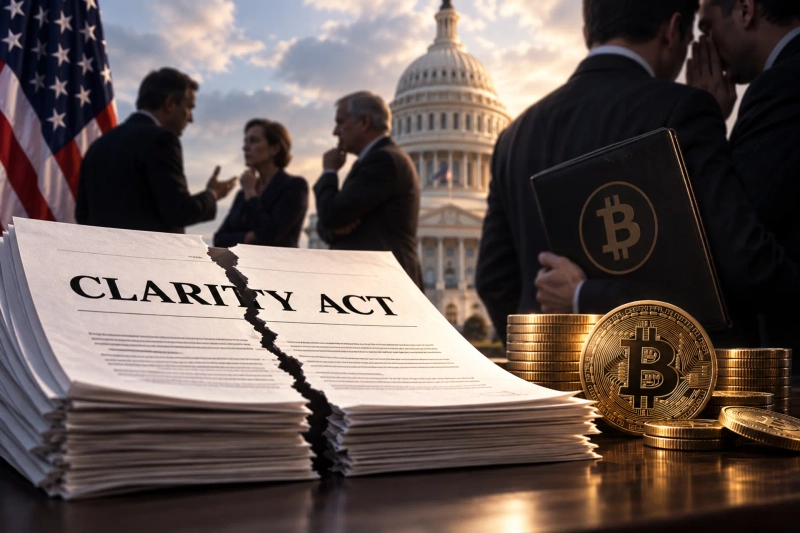
A U.S. market-structure bill for the cryptocurrency industry, the CLARITY Act, was derailed in the Senate in part because sustained pressure from the crypto sector repeatedly unraveled bipartisan agreements, according to a report.
Punchbowl News reporter Brendan Pedersen wrote on X on Sept. 20 that interviews with more than 12 congressional aides involved in the legislation pointed to flawed negotiations, wasted time and excessive pressure from the crypto industry as key reasons the bill failed.
According to Punchbowl News, Democrats and Republicans spent thousands of hours negotiating the bill beginning in September last year. But even after the two sides reached agreements in principle in private talks or worked out specific legislative language, those terms were repeatedly revised when the industry objected.
Several bipartisan aides said Republicans at times backed away from prior agreements or substantially changed provisions because of industry opposition. In negotiations over ethics rules for public officials related to crypto, a proposal that would have given state attorneys general enforcement authority was also withdrawn.
Democrats grew distrustful during the talks, believing Republicans could not refuse demands from the crypto industry, the report said. As negotiations dragged on, the CLARITY Act draft expanded by hundreds of pages. Republicans, meanwhile, argued that industry views needed to be reflected because top executives at major crypto companies were influential enough to communicate directly with the White House.
Real-time pressure from the industry also complicated negotiations. Democratic aides who presented positions in closed-door bipartisan meetings sometimes received a barrage of complaints from crypto lobbyists before the meetings had even ended.
Aides specifically cited pressure from Coinbase and venture capital firm a16z. Industry participants disputed that account, saying negotiations were complicated by the Senate's sweeping revisions to the CLARITY Act after it had passed the House. They also said the industry had made significant concessions over the past year, including accepting substantive limits on stablecoin rewards.

Suehyeon Lee
shlee@bloomingbit.ioI'm reporter Suehyeon Lee, your Web3 Moderator.