Oil Steadies After 9% Four-Day Slide as Middle East Supply Fears Ease
Summary
- International oil prices were little changed after falling more than 9% over the past four days, and they are still up more than 60% this year.
- Saudi Arabia's increase in crude shipments from the Persian Gulf and the possibility of a diplomatic resolution between the US and Iran pointed to easing supply concerns in the Middle East.
- Still, uncertainty over global oil supply remains, amid prospects for an extension of Russia's diesel export ban and lower output at Libya's Sharara oil field.
Forecast Trend Report by Period


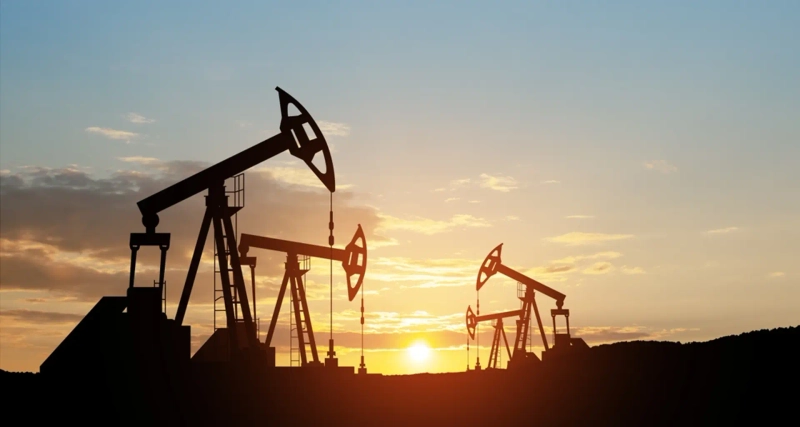
International oil prices were little changed after four straight sessions of losses as concerns over Middle East crude supplies eased and attention turned to the possibility of a diplomatic solution between the US and Iran.
Bloomberg reported on September 21 that West Texas Intermediate traded above $95 a barrel. WTI had dropped more than 9% over the previous four trading sessions. Brent crude was near $100 a barrel.
On the supply side, satellite data showed Saudi Arabia's crude shipments from the Persian Gulf rose sharply over the weekend. That was interpreted as a sign the kingdom is redirecting oil exports toward the Strait of Hormuz after a shutdown of a key cross-country pipeline.
Markets are also watching diplomatic moves between Washington and Tehran. President Donald Trump is scheduled to address the United Nations General Assembly in New York on September 22. He has indicated he is open to the possibility of meeting Iranian President Masoud Pezeshkian on the sidelines of the gathering.
Michael Waltz, the US ambassador to the United Nations, also told Fox News that Trump is leaving open the possibility of talks with Iran.
Still, uncertainty over global oil supplies persists. International oil prices have risen more than 60% this year. The increase reflects disruptions to energy shipments through the Strait of Hormuz during the Middle East war, as well as continued damage to energy infrastructure from the war between Russia and Ukraine.
Russia is poised to extend its diesel export ban beyond the end of September as Ukrainian attacks on Russian refining facilities continue.
Libya has also suffered supply disruptions. Output at the Sharara field, the country's largest oil field, has fallen by more than half after an armed group blocked a pipeline connected to the Zawiya export terminal. Production is now reported at about 127,000 barrels a day.

Suehyeon Lee
shlee@bloomingbit.ioI'm reporter Suehyeon Lee, your Web3 Moderator.