PiCK
Tokenized Stock Market Nears Launch as SEC Says Exchange Could Emerge as Early as Next Quarter
Summary
- The SEC said the tokenized stock market could begin to take shape as early as next quarter through the Innovation Exemption and tokenized stock trading platforms.
- It said eligible platforms will be able to trade tokenized versions of U.S.-listed stocks on public blockchains using AMMs and liquidity pools.
- The SEC said it views the five-year conditional Innovation Exemption as a bridge to a long-term regulatory framework, and that the tokenized market will connect with traditional finance.
Forecast Trend Report by Period


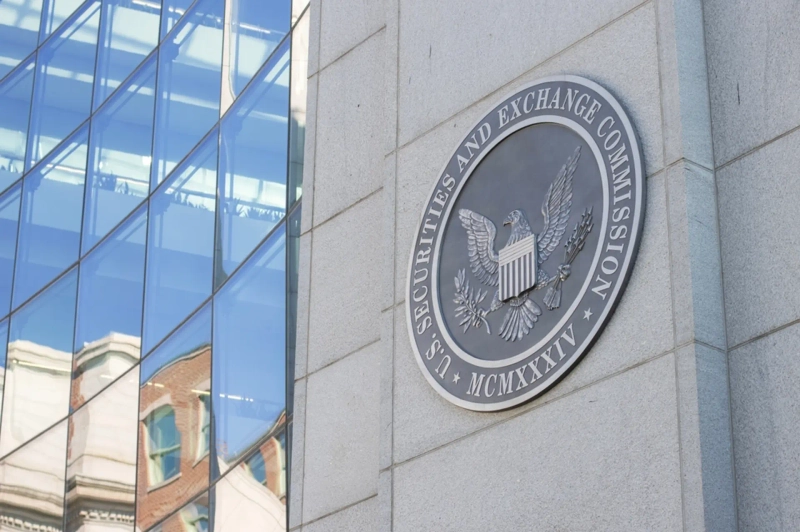
The U.S. Securities and Exchange Commission said a tokenized stock trading platform operating under its newly introduced Innovation Exemption could begin to take shape as early as next quarter.
Taylor Lindeman, senior adviser to the SEC’s crypto task force, said in a Sept. 22 Crypto in America interview alongside SEC Commissioner Hester Peirce that companies involved are likely to announce plans for tokenized stock trading businesses in the coming months.
“There will be some time between when the Innovation Exemption was issued and when firms file their first notices,” Lindeman said. “That will probably happen sometime next quarter.”
The SEC last week announced a conditional Innovation Exemption that will remain in effect for five years. Under the framework, eligible platforms can trade tokenized versions of U.S.-listed stocks on public blockchains using automated market makers, or AMMs, and liquidity pools.
The exemption has already taken effect. Operators must publicly release a notice explaining how the business will operate and notify the SEC within one business day after making that disclosure. Those filings will provide the first indication of which firms plan to enter the tokenized stock market.
The SEC is distinguishing the structure from traditional decentralized finance, or DeFi. Lindeman described it as “closer to on-chain finance than DeFi” because each platform has a clearly identified party responsible for operations and regulatory compliance.
Peirce also dismissed industry concerns that caps on the number of tradable stocks and per-stock trading volume could weaken the market’s viability. She said the limits are high enough to let companies make commercially viable attempts, allowing for testing at a meaningful business scale rather than as a small experiment.
The SEC also left open the possibility of adjusting the restrictions depending on market conditions. Peirce said the five-year exemption is not intended to be permanent and should serve as a bridge to a longer-term regulatory framework. If tokenized securities trading expands, the agency could consider additional rules based on trading volume, similar to the framework used for alternative trading systems, or ATSs.
Listed companies will also have the right to refuse tokenized trading of their shares. If a third party wants to tokenize and trade a company’s stock, it must notify the company 30 days in advance. If the company objects, the tokenized shares cannot be traded on that platform.
Peirce said the arrangement is unlikely to become a major obstacle to market expansion. She added that many issuers she has spoken with have shown strong interest in the model and said she expects deeper links between the tokenized market and traditional finance.

Suehyeon Lee
shlee@bloomingbit.ioI'm reporter Suehyeon Lee, your Web3 Moderator.