PiCK
White House Says It Can’t Wait for CLARITY Act, Turns to SEC and CFTC for Crypto Rules Overhaul
Summary
- The White House and the Treasury Department said they will focus on overhauling digital-asset regulation through the SEC and CFTC rather than on passing the CLARITY Act.
- Adviser Patrick Witt and Assistant Secretary Luke Pettit said the center of policy has shifted to the executive branch as legislative discussions in Congress have cooled.
- Witt said the SEC and CFTC will press ahead with crypto regulatory reform using their existing authority to the fullest extent possible, even as he acknowledged the risk of legal disputes.
Forecast Trend Report by Period


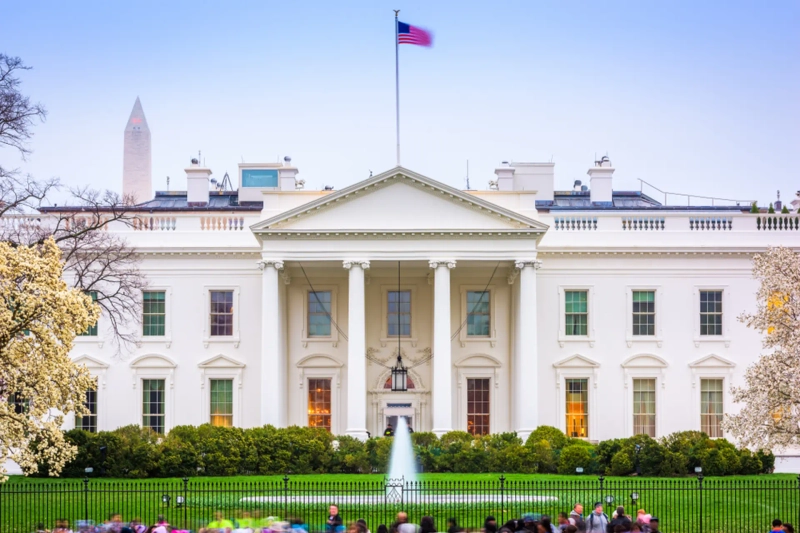
The White House and the Treasury Department said they will focus on reshaping digital-asset regulation through the Securities and Exchange Commission and the Commodity Futures Trading Commission, rather than rely on Congress to pass the CLARITY Act this year.
CoinDesk reported on September 22 that Patrick Witt, the White House’s digital-assets adviser, and Luke Pettit, the Treasury Department’s assistant secretary for financial institutions, spoke at a policy and regulatory event in Washington and said it remains uncertain whether Congress will take up the CLARITY Act during its year-end lame-duck session. They agreed that regulatory action by the administration should come first.
Pettit said he does not view the bill as entirely dead. But he said there is a growing recognition that the center of policymaking has shifted to the executive branch, while legislative discussions on Capitol Hill have cooled considerably.
Witt said the outcome of the November midterm elections could alter the bill’s prospects at year-end. If Republicans lose their majority in either the House or the Senate, lawmakers’ willingness to negotiate could shift depending on the election results.
“There is no time to waste,” Witt said. “We can’t hold back regulators while hoping the bill passes in the lame-duck session.” He added that the SEC and CFTC have been accelerating crypto-related regulatory reform since last week.
He also acknowledged the risk of legal disputes if regulators move to introduce rules and exemptions without a statutory basis from Congress. Even so, Witt said the administration would use its existing authority to the fullest extent possible.
Witt also voiced disappointment that the bill failed to advance in the Senate. “Did we really have to drag this out for a year just to get this political outcome?” he said. “I understand the election is getting closer, but this is a very disappointing result.”

Suehyeon Lee
shlee@bloomingbit.ioI'm reporter Suehyeon Lee, your Web3 Moderator.