PiCK
Trump Says US Held Productive Three-Hour Talks With Iran After UN Speech Threatening Military Action
Summary
- Trump said he held about three hours of talks with Iran and described them as “a very productive and good meeting.”
- Brent crude prices fell that day.
- Control of the Strait of Hormuz, rising energy prices, and attacks across the region are causing substantial economic damage.
Forecast Trend Report by Period


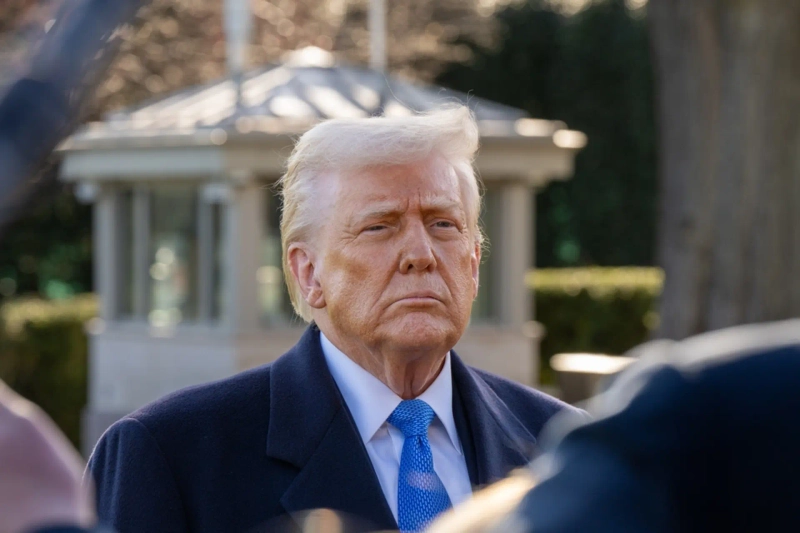
The prospect of a diplomatic end to the Middle East war is back in focus after US and Iranian officials held talks in New York, even as President Donald Trump reiterated military threats against Tehran.
Bloomberg reported on September 22 that Trump said US and Iranian officials met for about three hours in New York, where the United Nations General Assembly is being held. He called it “a very productive” and “good” meeting and said additional talks would be held soon.
Steve Witkoff, the US special envoy for the Middle East, and Jared Kushner attended for the US side. The two had also led negotiations with Iran before US and Israeli military operations against Tehran began in late February. Asked about the outcome, Witkoff said: “I feel very good right now.” Iran, however, has yet to comment officially on whether the meeting took place or who attended.
Trump’s comments on the talks came shortly after he used his UN General Assembly speech the same day to deliver a forceful military threat to Iran.
In the speech, he pressed Tehran to accept a deal, saying Iran could sign an agreement that would let it rebuild and become “one of the greatest countries in the Middle East or the world,” or he would “quickly and completely destroy” the Islamic Republic.
Before traveling to New York, Trump had also left open the possibility of a meeting with Iranian President Masoud Pezeshkian. Reports about a possible meeting between the two leaders, along with the prospect that Iran could reopen the Strait of Hormuz if the US lifts its blockade, sent Brent crude lower on the day.
Trump has said the Middle East war will end shortly after the US midterm elections in November. Even so, the two sides have yet to reach a new ceasefire after a truce agreed in June collapsed early.
The economic toll of a prolonged war is also rising. Iran’s control of the Strait of Hormuz has disrupted global oil shipments and pushed up energy prices. Attacks including Iranian strikes on US bases in the region have killed 19 American service members so far. Yemen’s Iran-backed Houthi rebels have also threatened to resume attacks on ships transiting the Red Sea.
Leaders of the Gulf Cooperation Council, whose members include Saudi Arabia, the United Arab Emirates and Qatar, were scheduled to meet Trump later in the day to urge him not to widen military action against Iran. Those countries have suffered substantial economic damage from Iranian missile and drone attacks and shipping disruptions in the Strait of Hormuz.
Key differences between Washington and Tehran remain unresolved. The US is demanding that Iran abandon nuclear weapons development, restore normal transit through the Strait of Hormuz and halt support for regional armed groups including the Houthis, Hezbollah and Hamas. Iran, by contrast, wants US economic sanctions lifted and guarantees against further American military attacks.

Suehyeon Lee
shlee@bloomingbit.ioI'm reporter Suehyeon Lee, your Web3 Moderator.