PiCK
Trump Rejects Iran Proposal to Reopen Hormuz, Tehran Says Diplomacy Is Only Solution
Summary
- U.S. economic blockade measures and Iran’s conditions for reopening the Strait of Hormuz have sharply reduced shipping traffic through the waterway.
- Trump rejected Iran’s proposal to end the war and peace plan, and The Wall Street Journal reported that he is considering the possibility of resuming airstrikes after the U.S. midterm elections in November.
- Iran said it would not compromise on its right to enrich uranium or the overseas transfer of highly enriched uranium, while continuing to emphasize a diplomatic solution and further negotiations.
Forecast Trend Report by Period


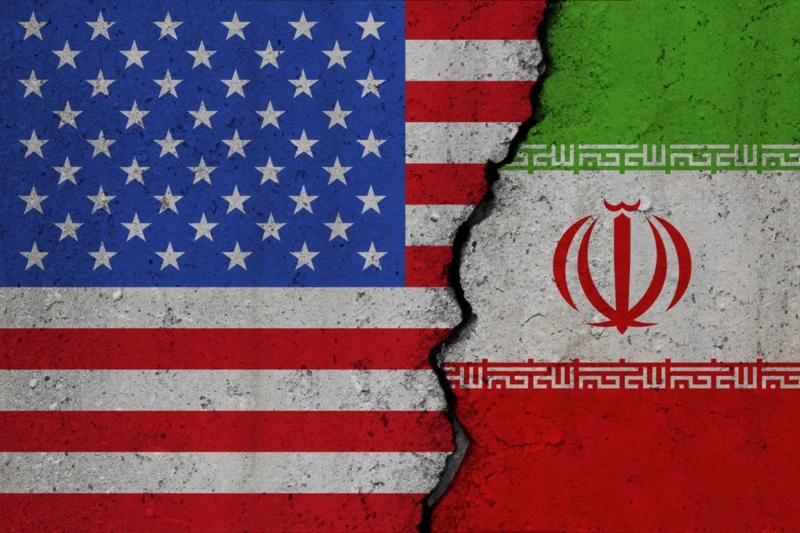
President Donald Trump has rejected Iran’s proposal to reopen the Strait of Hormuz and end the war, while Tehran urged a negotiated diplomatic solution.
Reuters reported on September 26 that Iranian Foreign Minister Abbas Araghchi said in a social media post that the strait could be reopened only if Iran’s conditions were met. “Only a negotiated solution can break the deadlock,” he wrote, emphasizing diplomacy.
Iran had presented a peace plan at last week’s United Nations General Assembly in New York and passed it to the U.S. through Qatari mediators. Under the proposal, if an agreement were reached, the Strait of Hormuz would reopen after a seven-day preparation period and fighting in the region would stop. Tehran has said additional negotiations could then proceed on an agenda agreed by both sides.
Trump told reporters at the White House on September 26 that he had rejected the proposal. He argued that Iran was seeking a deal to reopen the Strait of Hormuz immediately because it had been put at a disadvantage in the war. Araghchi said, however, that he had not received formal notice from the mediating countries that the U.S. had rejected the offer and was still waiting for Washington’s final position.
The two sides also remain apart on Iran’s nuclear program. Trump has said he cannot allow Iran to possess nuclear weapons. A senior Iranian official said Tehran would not compromise on its right to enrich uranium or on the issue of sending highly enriched uranium abroad, even if the peace plan were accepted. Iranian President Masoud Pezeshkian said he was ready for talks, including on the nuclear issue, but would not accept coercive demands.
The war, which began with U.S. and Israeli attacks on Iran on February 28, has now entered its seventh month. The U.S. has imposed an economic blockade to halt Iranian attacks on shipping, and vessel traffic through the Strait of Hormuz has fallen sharply. Retaliatory attacks by Iran and Yemen’s Houthi rebels have also continued, raising tensions across the Middle East.
The Wall Street Journal reported that Trump is skeptical Iran would carry out any agreement and is considering the possibility of resuming airstrikes after the U.S. midterm elections in November. Still, negotiations through mediating countries are continuing, leaving open the possibility of a diplomatic breakthrough.

Suehyeon Lee
shlee@bloomingbit.ioI'm reporter Suehyeon Lee, your Web3 Moderator.