PiCK
Japan Finance Minister Calls Yen Undervaluation a Problem, Vows Continued U.S. Coordination on FX Stability
Summary
- Katayama said yen undervaluation is a problem and that Japan will continue close communication and cooperation with the U.S. to support foreign-exchange market stability.
- She said Japan has carried out yen-buying intervention several times this year as concern over yen weakness and the prospect of a wider U.S.-Japan interest-rate gap persisted despite the Bank of Japan's rate increase.
- Katayama said rising global sovereign yields, inflation pressure, and increased corporate bond issuance tied to AI infrastructure investment are driving rates higher, adding that the scale of Japan's government bond yield increase is not especially large by international standards.
Forecast Trend Report by Period


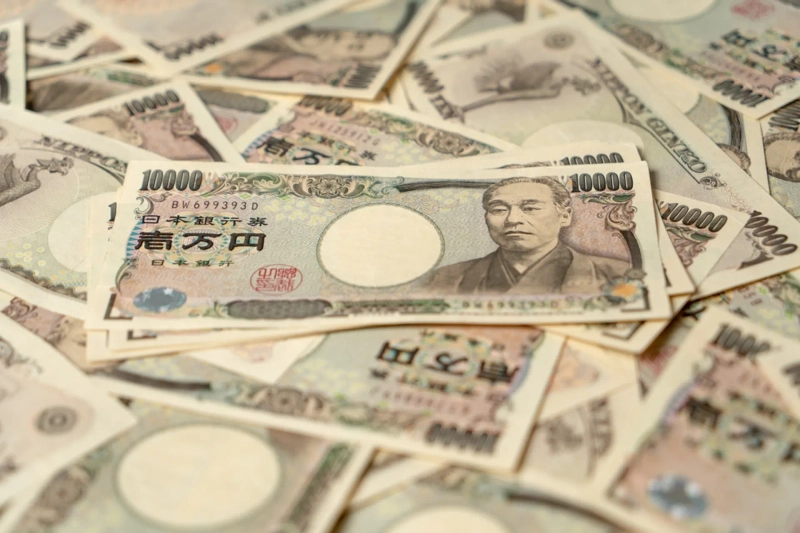
Japan reiterated its concern over the yen's weakness and said it will continue working closely with the United States to promote stability in foreign-exchange markets.
Bloomberg reported on September 29 that Japanese Finance Minister Satsuki Katayama told reporters that day that "generally speaking, yen undervaluation is a problem." She added that Japan and the U.S. would maintain close communication between their financial authorities and work to ensure orderly moves in the foreign-exchange market.
Katayama said she held a phone call with U.S. Treasury Secretary Scott Bessent on September 25 and reaffirmed the two countries' shared concern over yen undervaluation. The two sides agreed to further strengthen cooperation to stabilize foreign-exchange markets. She also said she explained during the call that Japanese Prime Minister Sanae Takaichi is not a politician who pursues unconditional stimulus policies.
The yen traded at about 157.47 per dollar in Tokyo morning trading on September 29. That was stronger than roughly 160 yen per dollar a month earlier, but concern over yen weakness has persisted even after the Bank of Japan raised interest rates.
The BOJ raised its policy rate earlier this month to the highest level in 31 years. Since then, however, comments related to BOJ policy and expectations for additional rate increases by the Federal Reserve have fueled speculation that the U.S.-Japan interest-rate gap could widen again. Japan intervened several times this spring and summer to buy yen, and in July it carried out a joint foreign-exchange intervention with the U.S. for the first time in 28 years.
Katayama also said rising Japanese government bond yields should be viewed in the broader context of global bond-market moves. With Japan's 10-year government bond yield hovering around 3%, she said she would stay in close contact with market participants and monitor the situation closely.
She also said she recently met billionaire investor Stanley Druckenmiller and JPMorgan Chase Chief Executive Officer Jamie Dimon to discuss what is driving the rise in global sovereign yields. They pointed to inflation pressure from higher oil and commodity prices, expanded fiscal spending by governments and increased corporate bond issuance by large technology companies as key factors.
In particular, large technology companies investing in AI infrastructure may be adding upward pressure on sovereign yields as they raise large amounts of money in the corporate bond market, Katayama said. She added that government bond yields are rising in the U.S. and Europe as well, and that Japan's increase is not especially large by international standards.

Suehyeon Lee
shlee@bloomingbit.ioI'm reporter Suehyeon Lee, your Web3 Moderator.