Summary
- The yen fell 0.5% to 158.21 per dollar, making it the weakest performer among G10 currencies.
- The probability of an October rate hike implied by the swaps market fell below 20%, while the chance of an additional rate hike by December was fully priced in.
- Strategists said the bar for meeting the BOJ’s hawkish expectations remains high, making it difficult for the yen to draw significant support from rate-hike expectations alone.
Forecast Trend Report by Period


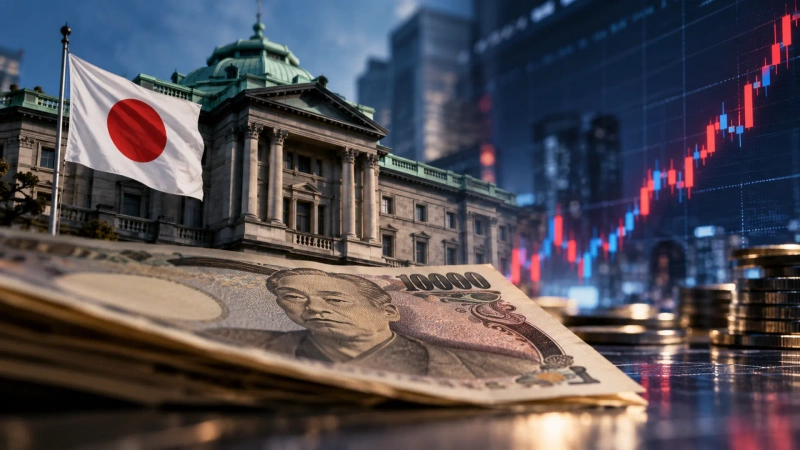
The yen weakened against the dollar after the Bank of Japan’s summary of opinions from its September monetary policy meeting was seen as less hawkish than markets had expected.
Bloomberg reported on Oct. 1 that the yen fell as much as 0.5% to 158.21 per dollar during the session, making it the worst performer among Group-of-10 currencies.
The BOJ’s summary of opinions from the September meeting showed policymakers were focused on preventing inflation from overshooting the central bank’s target. Some board members said the neutral interest rate may be higher than previously estimated and that the effect of rate hikes so far on companies has been limited. They also argued that it would be appropriate to raise the policy rate again sooner rather than later.
Even so, markets judged that message insufficient to significantly increase the odds of consecutive rate hikes this month. The probability of a rate increase on Oct. 30 implied by the swaps market had risen above 30% at one point the previous day, but fell below 20% on the morning of Oct. 1. By contrast, an additional rate hike by December has been fully priced in.
“It included many hawkish views, but it was not hawkish enough to reinforce expectations for consecutive rate hikes,” Takuya Kanda, chief foreign-exchange analyst at Gaitame.com Research Institute, said. If the dollar-yen exchange rate rises above 158, concern about possible intervention in the foreign-exchange market could limit further dollar gains, he added.
In Japan’s government bond market, yields rose mainly on longer-dated debt. The move appeared to reflect concern that the BOJ’s pace of tightening may not be sufficient to contain inflation.
The Federal Reserve’s hawkish stance has also weighed on the yen. The Fed raised its benchmark interest rate unanimously last month and is leaning toward one additional increase this year and another next year. The gap between US and Japanese monetary-policy outlooks is adding pressure on the Japanese currency.
“The bar is high for the BOJ to satisfy the market’s hawkish expectations,” Samara Hammoud, a strategist at Commonwealth Bank of Australia, said. “Unless the BOJ provides clearer guidance on its future policy path, expectations for rate hikes alone will struggle to offer strong support for the yen.”
The BOJ’s Tankan business survey released on Oct. 1 showed sentiment among Japan’s large manufacturers improved to its highest level in more than eight years. Still, signs of intensifying inflation pressure remained limited. Taro Kimura, chief Japan economist at Bloomberg Economics, said the Tankan results reduce the likelihood of consecutive rate hikes in October.

Suehyeon Lee
shlee@bloomingbit.ioI'm reporter Suehyeon Lee, your Web3 Moderator.