ECB Outlines Three Models for Bringing Central Bank Money On-Chain
Summary
- The European Central Bank, or ECB, said it has outlined three models to introduce central bank money into blockchain-based financial markets.
- The models are direct issuance of tokenized central bank reserves, bridging and synchronizing existing payment systems with DLT platforms, and tokenizing reserves through private intermediaries.
- The ECB said the approach could allow DLT-based asset transactions, including tokenized securities, deposits, and stablecoins, to be settled in central bank money.
Forecast Trend Report by Period


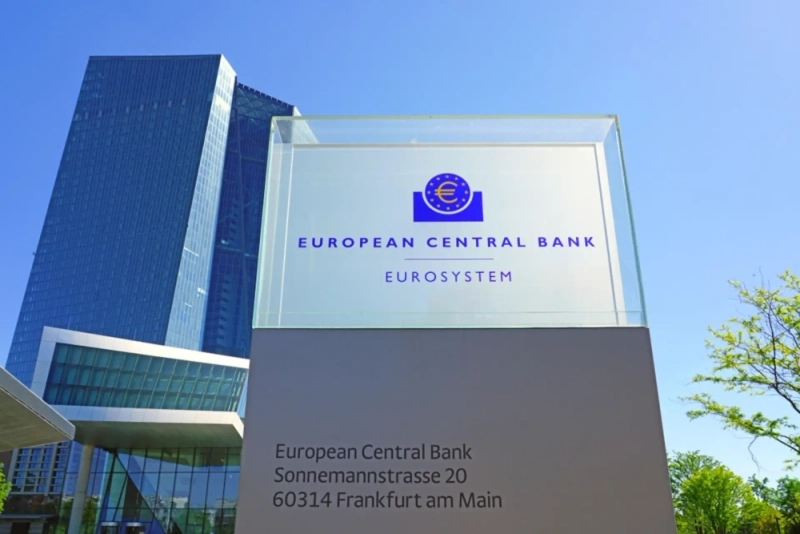
The European Central Bank has outlined three models for introducing central bank money into blockchain-based financial markets.
According to The Block on October 2, the ECB presented three ways to use central bank money in distributed ledger technology, or DLT, environments: direct issuance of tokenized central bank reserves, bridging and synchronizing existing payment systems with DLT platforms, and tokenizing reserves through private intermediaries.
Under the first model, the central bank would issue reserves directly as tokens on a programmable ledger. The second would keep central bank money in existing systems while linking them to DLT platforms to settle transactions. The third would have private intermediaries deposit reserves at the central bank and issue tokens on DLT networks backed one-to-one by those reserves.
The ECB said the approaches could enable DLT-based asset transactions, including tokenized securities, deposits and stablecoins, to be settled in central bank money.

Uk Jin
wook9629@bloomingbit.ioH3LLO, World! I am Uk Jin.