BNP Paribas Says Ending U.S. 20-Year Treasury Sales Could Backfire, Push Yields Higher
Summary
- BNP Paribas said cutting or eliminating U.S. 20-year Treasury issuance could instead lead to higher Treasury yields and worsening liquidity.
- BNP Paribas said scrapping the 20-year bond could be seen as panic at the Treasury and a signal that policy tools are exhausted, potentially emboldening bond vigilantes.
- BNP Paribas said it is maintaining its bearish call on U.S. 30-year Treasuries and expects the yield to rise from about 5.64% to 5.8%.
Forecast Trend Report by Period


As speculation grows that the U.S. Treasury could stop issuing 20-year bonds to counter rising long-term borrowing costs, BNP Paribas has warned that such a move could instead push Treasury yields higher and worsen market liquidity.
Bloomberg reported on Oct. 6 that a strategy team led by Guneet Dhingra, BNP Paribas's head of U.S. rates strategy, wrote in a report that reducing or eliminating 20-year Treasury issuance would not be an effective way to durably lower long-term yields.
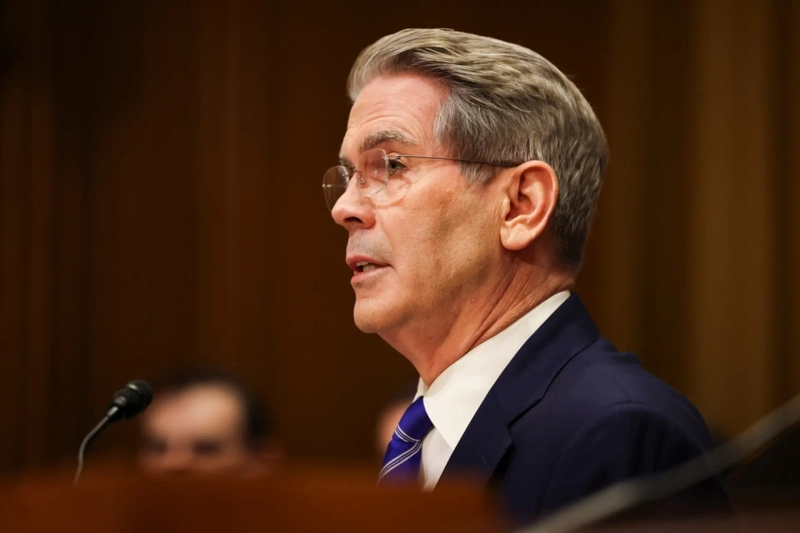
Bond markets have recently focused on whether U.S. Treasury Secretary Scott Bessent could shift the government's issuance mix toward shorter-dated debt to respond to long-end yields that have climbed to their highest levels in decades. One option under discussion is to reduce or scrap 20-year bond sales, which force the Treasury to pay higher yields than on nearby maturities.
BNP Paribas said eliminating the 20-year bond could be interpreted by the market as a sign of panic at the Treasury. Dhingra's team wrote that ending the tenor could be seen as "panic" and signal that the Treasury is running out of policy tools, potentially emboldening bond vigilantes.
The bank maintained its bearish call on U.S. 30-year Treasuries. It expects the 30-year yield, now about 5.64%, to rise to 5.8%. Treasury prices and yields move in opposite directions.
The Treasury is due to announce its quarterly borrowing plan on Nov. 4. The release will be the first since Bessent revamped the long-bond buyback program he called the "Treasury twist." Long-term yields briefly stabilized after that step, but later resumed their climb and reached the highest level in 24 years.
Calls to eliminate the 20-year Treasury have persisted since the bond was reintroduced in 2020, as demand has remained relatively weak. The U.S. government is now paying more to borrow through 20-year debt than through 30-year bonds. The 20-year yield traded at about 5.68% on Oct. 6 after rising as high as 5.75% the previous day, the highest level since the tenor's 2020 reintroduction.
Still, if the Treasury stops issuing 20-year bonds, that supply would have to be absorbed by other maturities. BNP Paribas said funding costs could rise if the Treasury cuts longer-dated issuance and instead increases sales of Treasury bills with maturities of less than one year during a Federal Reserve tightening cycle.
Dhingra's team wrote that unless the core problems of inflation and fiscal deficits are resolved, the Treasury's policy tools would amount to little more than "putting a Band-Aid on a gunshot wound." The more often such measures fail to lower yields, the stronger bond vigilantes will become, it added.

Suehyeon Lee
shlee@bloomingbit.ioI'm reporter Suehyeon Lee, your Web3 Moderator.