Summary
- Trump said Russia and Ukraine had agreed to an energy truce that would halt attacks on energy facilities.
- The Trump administration granted a partial exemption to sanctions on Russia, allowing about 13.5 million barrels of Russian diesel to be supplied to the international market.
- Russia's export restrictions on diesel, jet fuel and gasoline, along with disruptions to logistics in the Strait of Hormuz, are adding to uncertainty in global energy markets.
Forecast Trend Report by Period


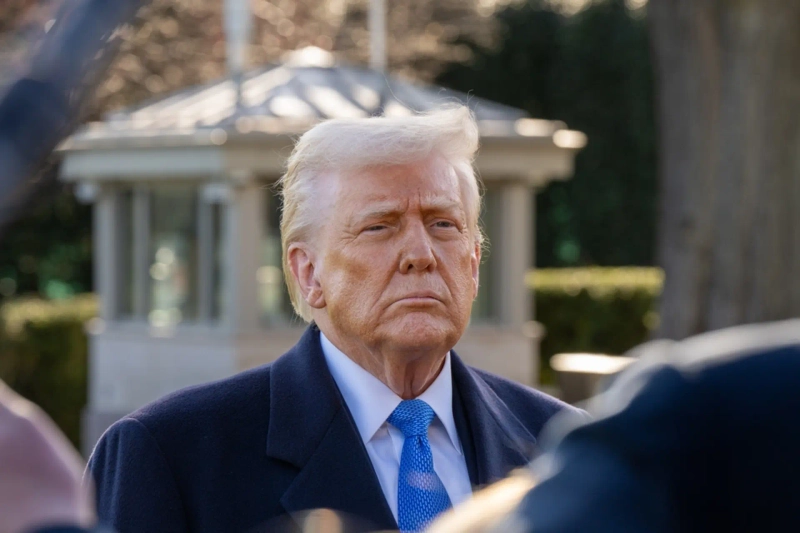
President Donald Trump said Russia and Ukraine have agreed to immediately halt attacks on energy facilities, sharpening focus on the prospects for a ceasefire between the two countries.
Bloomberg reported on October 11 that Trump said in a post on his social media platform Truth Social that an "energy truce" between Russia and Ukraine had taken effect immediately. "Both sides have agreed. Do not violate it," he wrote. He did not disclose specific terms of the agreement or how it would be implemented.
After Trump's announcement, Ukrainian President Volodymyr Zelenskiy said Ukraine supports a ceasefire and that it is important for Russia to do the same. He added that he was waiting for a detailed explanation from the U.S. side. Earlier, Zelenskiy told ABC that Ukraine was prepared to stop attacks on energy facilities if Russia took the same step, and urged stronger U.S. pressure on Moscow.
Still, it remains unclear whether the ceasefire will actually be implemented. Trump said in September as well that the two sides had agreed to stop attacking energy facilities, but Zelenskiy disputed that claim at the time, saying no final agreement had been reached. Fighting continued afterward. On October 10, Russia carried out airstrikes on residential areas in Ukraine, killing at least 20 people.
Tensions between the two countries have intensified after the U.S. decision to allow imports of Russian diesel. The Trump administration granted a partial exemption to sanctions on Russia, allowing about 13.5 million barrels of Russian diesel to reach the international market starting this month. Zelenskiy criticized the move as helping Russia secure funding for its war. Seven U.S. senators also objected, saying it violated a law banning imports of Russian energy.
The issue of Russian diesel supplies is also affecting global energy markets. After attacks on Ukrainian refining facilities, Russia restricted exports of diesel, jet fuel and gasoline in July, and recently extended those curbs through the end of October. Before the export restrictions, Russia accounted for about 10% of global seaborne diesel supply. With logistics through the Strait of Hormuz already disrupted by the war between the U.S. and Iran, the decline in Russian supplies is adding to uncertainty in energy markets.

Suehyeon Lee
shlee@bloomingbit.ioI'm reporter Suehyeon Lee, your Web3 Moderator.