Zelenskiy Says Trump Is Pressuring Ukraine to Surrender, Criticizes Delays in Patriot Missile Supplies
Summary
- Zelenskiy said the US is effectively pressuring Ukraine to surrender by limiting military aid to Ukraine and easing sanctions on Russia.
- He said supplies of Patriot interceptor missiles have been cut to 12 a month, about a quarter of the level under the Biden administration, and also raised the issue of limits on Starlink internet speeds, adding that deliveries are being withheld even though Ukraine has already paid.
- Zelenskiy said he proposed additional US supplies of Patriot missiles in exchange for halting attacks on Russian refining facilities, and added that US military support and Washington’s Russia policy remain key variables in future peace talks.
Forecast Trend Report by Period


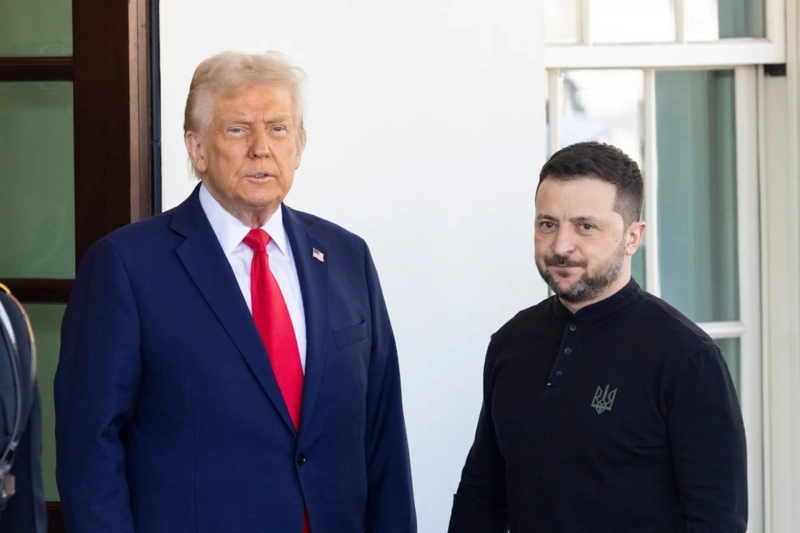
Ukrainian President Volodymyr Zelenskiy said the Donald Trump administration is effectively pressuring Ukraine to surrender in its effort to end the war with Russia.
Bloomberg reported on October 18 that, in an interview in Kyiv, Zelenskiy criticized the US for taking steps that disadvantage Ukraine, including limiting military support and easing sanctions on Russia.
“I think steps have been taken to persuade Ukraine to surrender,” Zelenskiy said. “I’m not saying that is explicitly the US goal, but it appears they believe the war can be ended early at the cost of Ukraine’s sacrifice.”
He also alleged that the US has intentionally limited Starlink internet speeds, a key communications tool for Ukrainian forces, and delayed deliveries of missiles for the Patriot air-defense system used to intercept Russian ballistic missiles. According to Zelenskiy, the US is currently supplying Ukraine with 12 Patriot interceptor missiles a month, about one-quarter of the level under former President Joe Biden’s administration. Ukraine has already paid for the weapons, but Washington has approved delivery of only part of the shipment and is holding back the rest.
Zelenskiy also raised concerns about restrictions on Starlink service. He said Starlink connections inside Ukraine are cut off when users move faster than 161 kilometers per hour, while the same restriction does not apply outside the country. He blamed the White House for the measure, though he did not provide specific evidence.
Tensions between the two countries deepened after Trump agreed with Russian President Vladimir Putin to expand diesel fuel supplies and exempt some sanctions on Russia. The US has urged Ukraine to halt strikes on Russian oil-refining facilities, saying the attacks are contributing to higher diesel prices.
In response, Zelenskiy proposed that the US provide additional Patriot interceptor missiles in exchange for a halt to attacks on Russian refining facilities. “We proposed that if we stop striking Russia’s diesel facilities, the US should provide Patriot missiles to protect our facilities,” he said, adding that the US is demanding only that the attacks stop.
Ukraine’s position is that it could stop attacking Russian refining sites if Russia halts strikes on Ukrainian energy infrastructure. But both sides have continued to target energy facilities in recent days. In Ukraine, Russian attacks on substations left tens of thousands of households without power. In Russia, fires broke out at industrial sites including an oil terminal in St. Petersburg.
Trump said the agreement on Russian diesel supplies and the sanctions exemptions were intended to keep Putin engaged in peace talks. At the same time, he criticized Zelenskiy for not trying to end the war, underscoring the gap between the two leaders.
Zelenskiy said he sees a chance for relations to improve after the US midterm elections on Nov. 3. He said political conflict is intensifying during the campaign period, but expects tensions to ease once the vote is over.
Separately, Zelenskiy said he remains in contact with Jared Kushner and US envoy Steve Witkoff and is discussing the possibility of holding additional peace talks as early as this week. Still, with Russian airstrikes and shortages of air-defense weapons worsening damage to Ukraine’s energy infrastructure, US military support and Washington’s Russia policy remain key variables for future negotiations.

Suehyeon Lee
shlee@bloomingbit.ioI'm reporter Suehyeon Lee, your Web3 Moderator.