PiCK
South Korea’s Tax Agency Moves to Track Crypto Whale Holdings, Bolster Analysis System Ahead of Taxation
Summary
- The National Tax Service said it has launched an operation and maintenance project for its Integrated Virtual Asset Analysis System, which will statistically manage the year-end asset status of large virtual-asset holders.
- The National Tax Service said it will improve transaction-flow tracing and the efficiency of tax audits by linking and analyzing transaction statements for major cryptocurrencies such as Bitcoin, Ether, XRP, Tron and Litecoin with taxpayer filing data.
- The agency said the move is aimed at overhauling analysis infrastructure ahead of the taxation of personal virtual-asset income scheduled for January next year, including tools to trace complex transactions such as mixing trades and cross-chain transactions across more than 100 blockchains.
Forecast Trend Report by Period


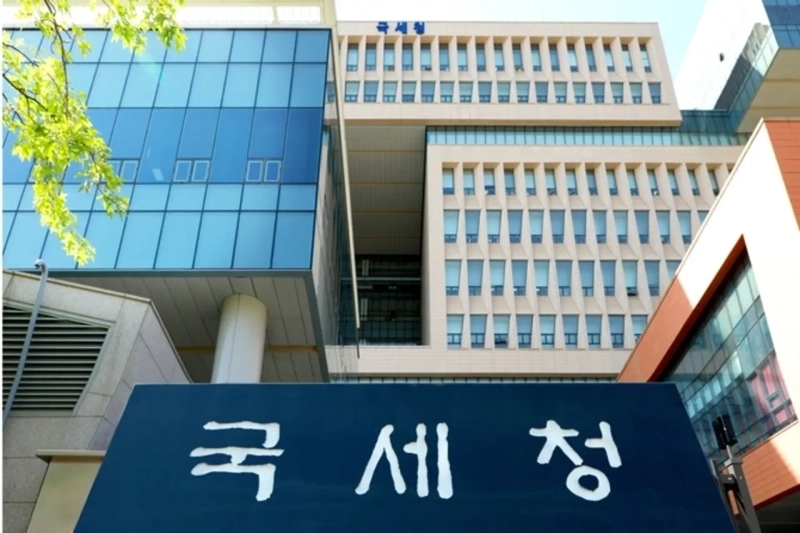
South Korea’s National Tax Service is moving to build a statistical management system to track the year-end holdings of large virtual-asset investors. The step comes as debate continues over whether crypto taxation will take effect next year, and points to a broader effort to strengthen transaction analysis and tax-audit capabilities.
According to the Public Procurement Service’s KONEPS procurement platform on October 20, the National Tax Service on October 6 disclosed preliminary specifications for a project to operate and maintain its “2027 Digital Forensics Data Recovery System and Integrated Virtual Asset Analysis System.” The project budget is about 1.382 billion won, or roughly $1 million. That includes costs for virtual-asset transaction analysis as well as maintenance of the digital forensics system.
The project calls for statistical management of year-end holdings by investors with large virtual-asset positions. In addition to statistics on users, asset types and exchange-specific transaction statements, the tax agency included “year-end virtual-asset statistics for top holders” among the system’s operation and management items. That would allow it to monitor the asset status of major holders in a more systematic way.
The measure follows the National Tax Service’s push in February to build the integrated virtual-asset analysis system. At the time, the agency began work on a roughly 3 billion won, or about $2.2 million, system to analyze trading volume by virtual asset, user statistics by transaction type and fund flows by exchange. The latest project makes statistics on large holders an explicit part of the management scope.
Technical capabilities to trace transaction flows will also be added. The agency plans to analyze transaction statements and summary tables obtained from virtual-asset service providers in conjunction with taxpayers’ filings and audit materials. The project also includes directly operating full nodes on some blockchains, including Bitcoin and Tron, to collect ledger information.
Complex transactions that make fund tracing more difficult are also within scope. The National Tax Service requested capabilities to track mixing transactions used to obscure the source of funds, as well as cross-chain transactions spanning more than 100 blockchains. It is also pursuing tools to identify IP addresses linked to crypto wallet addresses, access locations and whether the anonymous Tor network was used. The main assets targeted for analysis are Bitcoin, Ether, XRP, Tron and Litecoin.
The move is also drawing attention because it comes ahead of the planned January 2027 taxation of personal income from virtual assets. Calls to delay the tax have recently come not only from the crypto industry but also from politicians in both the ruling and opposition parties. Even so, the National Tax Service is continuing efforts to secure transaction data and upgrade its analysis infrastructure.
In its request for proposals, the agency said it would systematically manage vast amounts of virtual-asset transaction data and analyze individual transaction flows to improve the efficiency of crypto-related tax audits.

Suehyeon Lee
shlee@bloomingbit.ioI'm reporter Suehyeon Lee, your Web3 Moderator.