Summary
- Goldman Sachs said the Japanese yen is emerging as an effective haven asset against financial-market shocks stemming from the boom in AI investment.
- Goldman Sachs said an improved policy backdrop in Japan, yen undervaluation and the possibility of foreign-exchange intervention are limiting the risk of further declines in the yen, giving investors more incentive than in the past to absorb hedging costs.
- Goldman Sachs said that over the medium to long term, a strategy betting on yen strength against the dollar would be effective, stressing that a strategy positioned for a decline in the dollar-yen exchange rate is the most effective hedge against an AI-driven shock.
Forecast Trend Report by Period


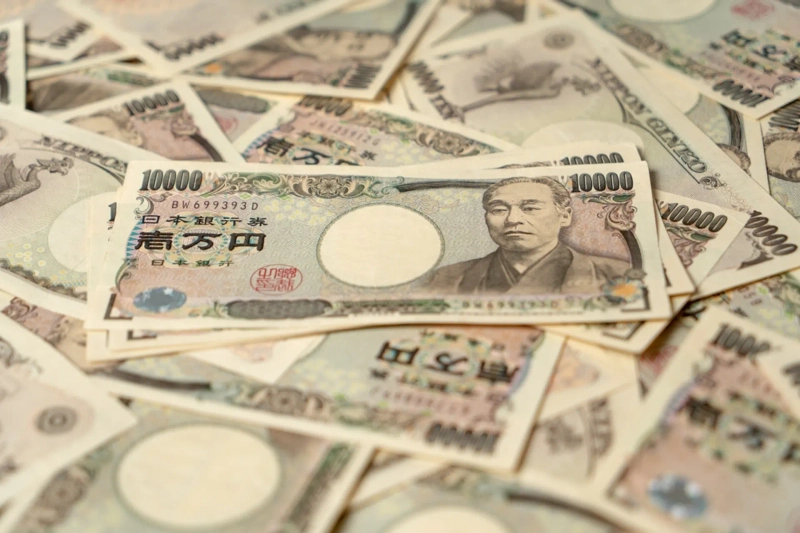
The Japanese yen is emerging as an effective haven against financial-market shocks tied to the boom in artificial intelligence investment.
Bloomberg reported on October 25 that Goldman Sachs wrote in an October 23 note that, while the global economic backdrop still points to yen weakness, the currency has become a more attractive way than in recent years to protect portfolios tilted toward cyclical assets.
The yen strengthened during last week's global selloff in technology shares. It rose 0.9% against the dollar on October 22 and climbed to its highest level in more than a month on October 23. Demand for haven assets increased as worries over expanding AI investment weighed on stocks and sent US Treasury yields sharply lower.
Goldman Sachs said the AI investment boom has made US stocks and the dollar more sensitive to the risk of slower growth. The bank added that the yen is especially likely to strengthen when stock prices and bond yields fall at the same time.
It also cited changes in Japan's monetary-policy backdrop as a factor strengthening the yen's defensive appeal. The bank said the currency's declines during recent rises in global bond yields have been smaller than they were over the past six to seven years. That contrasts with 2022, when the Bank of Japan kept its yield-curve control policy in place.
Goldman Sachs said an improved policy backdrop in Japan, the yen's relatively undervalued level and the possibility of foreign-exchange intervention are limiting the risk of further declines in the currency. As a result, investors have more reason than in the past to absorb the cost of rate differentials when holding the yen.
In the short term, the bank said it prefers reducing long euro positions to selling the yen against the euro. It sees little chance that the Bank of Japan will signal tighter policy more aggressively than expected at its monetary-policy decision on October 30, and domestic drivers for a clear yen rally remain limited.
Over the medium to long term, however, Goldman Sachs said betting on yen strength against the dollar would be more effective. "To hedge against broader growth concerns or a widespread AI-driven shock, the most effective strategy would be to position for a decline in the dollar-yen exchange rate," the bank said.

Suehyeon Lee
shlee@bloomingbit.ioI'm reporter Suehyeon Lee, your Web3 Moderator.