PiCK
Lawmaker Min Byung-deok Says Crypto Tax Should Be Reviewed for Fairness, Infrastructure First
Summary
- Rep. Min Byung-deok said South Korea should take a hard look at tax fairness and related infrastructure before implementing virtual-asset taxation.
- Min said the same tax standards should apply to both domestic and overseas virtual-asset transactions, and that the government must clearly explain how it will secure overseas transaction data under CARF and use it for tax verification.
- Min said improvements to the deduction system, including loss carryforwards for virtual-asset investment losses, as well as investor protection rules, should be pursued alongside the virtual-asset tax regime.
Forecast Trend Report by Period


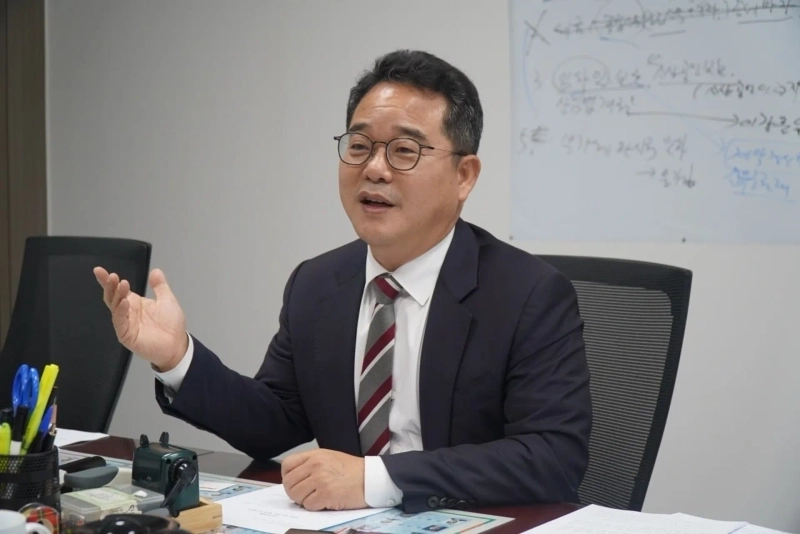
Rep. Min Byung-deok of the Democratic Party reiterated that tax fairness and related infrastructure should be thoroughly reviewed before South Korea moves ahead with taxation of virtual assets.
At a seminar held on October 30 at the National Assembly Members' Office Building in Seoul's Yeouido titled "2027 Virtual Asset Tax Deferral: When Should Implementation Begin?" Min said in a video message that he agrees with the principle that income should be taxed. But, he added, policymakers should take seriously criticism that in South Korea, legislation moves slowly while taxation moves quickly.
Under current law, taxation of income from virtual assets is scheduled to begin on Jan. 1, 2027. Min said a sober review is needed before implementation, including whether tax fairness has been secured, whether the necessary infrastructure is in place and whether the timing is appropriate.
He also argued that the same tax standards should apply to both domestic and overseas virtual-asset transactions. Virtual assets are traded across borders, he said. Data from domestic exchanges is relatively easy to verify, but properly tracking transactions involving overseas exchanges and private wallets will require an international information-sharing system.
Min also referred to South Korea's participation in the schedule to begin information exchanges from 2027 under the Crypto-Asset Reporting Framework, or CARF. He said the government should clearly explain when it will actually be able to obtain overseas transaction data once taxation begins and how that data can be used for tax verification.
He also called for improvements to deductions for losses on virtual-asset investments. If gains are taxed, losses should also be properly recognized, Min said. He noted that the current system does not allow loss carryforwards, which would let investors carry losses into the following year for deductions.
If an investor loses 10 million won in the first year and earns 10 million won the following year, there is no actual net profit over the two years, he said.
Min also stressed that the virtual-asset tax regime and investor-protection rules should advance together. Proper tax collection and proper investor protection must go hand in hand, he said, adding that implementation should come only after the systems and infrastructure needed for taxation are in place.

Suehyeon Lee
shlee@bloomingbit.ioI'm reporter Suehyeon Lee, your Web3 Moderator.