South Korea Seeks to Shorten Stock Settlement Cycle to T+1 by 2028
Summary
- South Korea said it is pushing to shorten the stock settlement cycle in the domestic securities market to T+1 from T+2.
- Korea Exchange and related institutions said they aim to complete system development by October 2027 and shift to a new settlement framework in 2028.
- The introduction of a T+1 system is expected to allow investors to receive proceeds from stock sales one day earlier and reduce settlement default risk.
Forecast Trend Report by Period


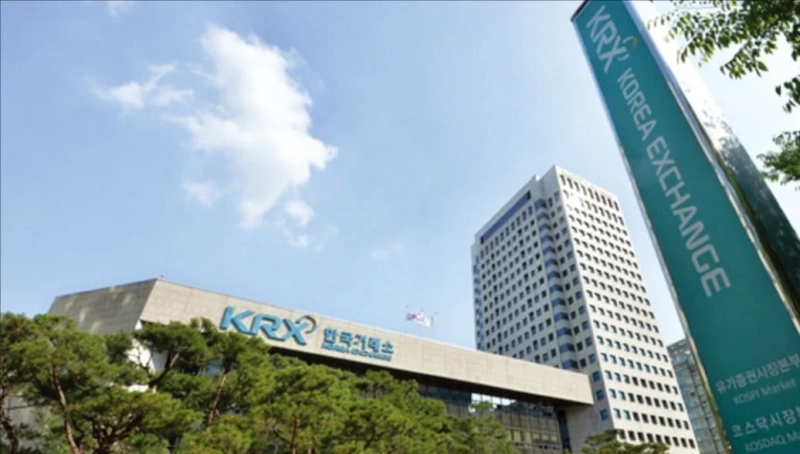
South Korea is pushing to shorten the stock settlement cycle so investors can receive proceeds the day after selling shares.
On November 2, Korea Exchange, Korea Securities Depository, Korea Securities Finance and Koscom unveiled a joint roadmap to cut the stock settlement cycle to T+1 from the current T+2. The institutions aim to complete related system development by October 2027 and transition to the new settlement framework in 2028.
The overhaul will apply not only to stocks, but also to exchange-traded funds and exchange-traded notes. To support the shift, the securities-related institutions plan to carry out 22 tasks across eight areas, including improving settlement procedures and automating transaction-information processing. Existing clearing and settlement systems will also be overhauled to fit the shorter timeline.
After the systems are built, the institutions plan to conduct at least six months of integrated testing to verify stability. The actual launch date, however, has not been set. The final schedule will be decided after considering the preparedness of financial authorities, brokerages and other domestic and overseas financial institutions, as well as foreign investors.
The institutions also laid out a schedule to help market participants prepare in advance. They plan to distribute industry-specific business guidelines and implementation checklists in December, and support financial companies and foreign investors as they update their IT systems and operating procedures by the first quarter of 2028. In the first quarter of 2027, they plan to form a task force and a project management office with related institutions to monitor progress.
Shortening the settlement cycle is part of South Korea's response to changes in global financial-market rules. Major markets including the U.S., the European Union, the U.K. and Hong Kong are also moving to reduce settlement times. In South Korea, calls have grown to improve the relevant framework to strengthen the stock market's competitiveness and make trading more convenient for investors.
Under a T+1 system, investors would receive proceeds from stock sales one day earlier than they do now. A shorter time to settlement would also reduce counterparty settlement risk and improve the efficiency of cash use. Financial firms, meanwhile, could lower operational burdens through greater automation and standardization.
The securities-related institutions plan to carry out system upgrades and support measures in parallel to help domestic and overseas market participants transition smoothly to the new settlement regime. If the plan is implemented in 2028, it would mark the first change to South Korea's securities settlement system in more than 50 years, since T+2 was introduced in 1972.

Suehyeon Lee
shlee@bloomingbit.ioI'm reporter Suehyeon Lee, your Web3 Moderator.