PiCK
Japan Finance Minister Signals Action on Speculative Yen Moves Ahead of U.S. Midterm Election
Summary
- Katayama said authorities would take market-stabilization measures if the yen shows excessive volatility or speculative trading intensifies.
- She said the outcome of the U.S. midterm election could drive down U.S. Treasury yields and the dollar, while raising the possibility of yen strength.
- She said changes in U.S. AI industry policy could affect Asian financial markets and semiconductor-related companies in Japan, South Korea and Taiwan.
Forecast Trend Report by Period


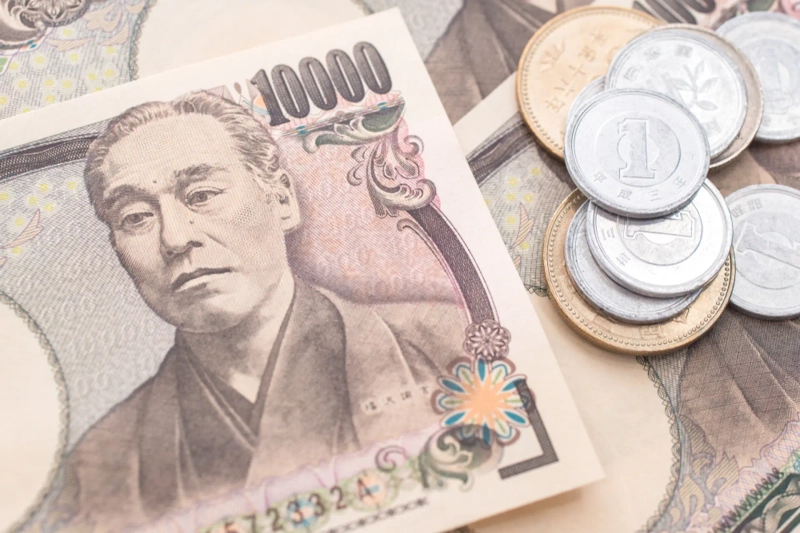
Japan’s government said it stands ready to take market-stabilization steps if the yen shows excessive volatility ahead of the U.S. midterm election.
Japanese Finance Minister Satsuki Katayama told reporters on November 2 that authorities would respond if disorderly moves or excessive speculation emerge in the foreign-exchange market, Bloomberg reported. She added that Japan is in close consultation with the U.S. and would act in line with existing bilateral agreements.
Katayama said cooperation between the two countries on foreign-exchange stability would remain intact even if the U.S. political landscape changes. The president and cabinet do not change immediately, she said, and the U.S. officials involved in consultations are likely to remain the same. The policy response set out in the joint statement is unchanged.
The remarks came a day before the U.S. midterm election on November 3. Markets are focused on the possibility that Democrats could win a majority in the House of Representatives. If Democrats take control of both chambers of Congress, constraints on President Donald Trump’s fiscal agenda could push down U.S. Treasury yields and the dollar while strengthening the yen.
Geopolitical uncertainty tied to the election outcome is also a factor. If Republicans lose, Trump could use executive authority to tighten tariffs and foreign policy. Renewed military tensions between the U.S. and Iran could raise global oil prices, increasing pressure on Japan’s economy and stock market.
Potential changes in U.S. policy toward the artificial-intelligence industry could also affect Asian financial markets. Stronger Democratic oversight of AI investment, data-center construction and energy costs could affect semiconductor-related companies in Japan, South Korea and Taiwan.
Katayama said concerns over yen weakness were also shared during a summit in September between Trump and Japanese Prime Minister Sanae Takaichi. She said foreign-exchange market conditions have improved from when the dollar rose above 160 yen, though she declined to comment on any specific exchange-rate level.
In Tokyo trading on the morning of November 2, the yen was trading at around 157.84 per dollar. Katayama said the priority is to curb excessive volatility and speculative trading rather than target any specific exchange-rate level, adding that both U.S. and Japanese authorities remain committed to market stability.

Suehyeon Lee
shlee@bloomingbit.ioI'm reporter Suehyeon Lee, your Web3 Moderator.