PiCK
Trump Cautious on Further Iran Airstrikes After Midterms, Stresses Scope for Talks
Summary
- President Trump said he would not rush additional airstrikes against Iran and placed greater weight on buying time for a diplomatic solution.
- Trump, Vice President JD Vance and Iran’s leadership all spoke positively about the chances for negotiations and peace talks, indicating both sides see a stronger possibility of reaching an agreement.
- As prospects for a diplomatic solution between the two countries came into sharper focus, international oil prices tumbled, with WTI futures settling at $96.46 a barrel, and lower odds of additional airstrikes helped ease concerns about rising energy prices.
Forecast Trend Report by Period


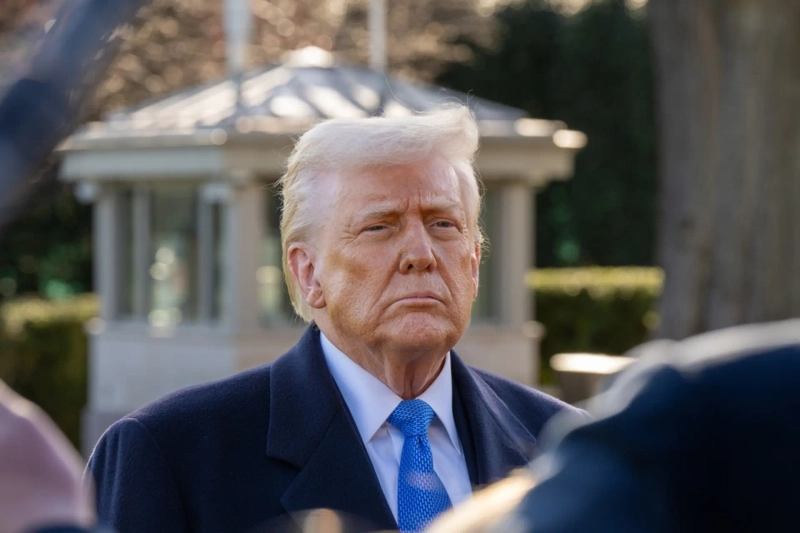
President Donald Trump said he is not rushing to launch additional airstrikes on Iran after the midterm elections.
Speaking to reporters after an event at the Lincoln Memorial in Washington on November 2, Trump was asked whether he planned to resume attacks on Iran once the midterms were over. “No,” he replied. In an interview with Axios, he also left open the possibility of future action while indicating there was no immediate need to act.
The remarks marked a shift from his earlier stance of intensifying military pressure on Iran. Trump had previously raised the possibility of resuming airstrikes after the midterms several times, but this time he placed greater emphasis on buying time for a diplomatic solution.
He also expressed optimism about negotiations with Iran. In a post on his social-media platform Truth Social, Trump said Iran wants a deal soon and that an agreement is possible. At the same time, he maintained his longstanding position that Iran will not be allowed to possess nuclear weapons.
Vice President JD Vance struck a similar tone at a campaign event the same day, saying the US and Iran had held several productive talks. He assessed the chances of an agreement positively and said the US government had set no deadline for deciding whether to carry out additional military operations.
Iran also signaled a willingness to resume dialogue. Iranian President Masoud Pezeshkian said at a meeting with local government officials that Supreme Leader Mojtaba Khamenei had delegated some authority over peace negotiations to the government. He said Iran would seek to resolve the conflict through talks.
International oil prices plunged as the prospects for a diplomatic resolution between the two countries came into sharper focus. West Texas Intermediate crude futures for December delivery settled at $96.46 a barrel on the New York Mercantile Exchange, down 7.36% from the previous session.
In the market, Trump’s cautious stance was also seen as tied to the political burden ahead of the US midterm elections. With military tensions with Iran helping keep international oil prices elevated, the reduced likelihood of further airstrikes may reflect an effort to ease concerns about rising energy costs.

Suehyeon Lee
shlee@bloomingbit.ioI'm reporter Suehyeon Lee, your Web3 Moderator.