US-Iran War-End Talks Stall Despite Continued Negotiations; Airstrike Fears Persist After Midterms
Summary
- The U.S. and Iran said they are continuing talks over a seven-step war-ending plan and sanctions waivers for sales of Iranian crude, but are struggling to reach an agreement.
- Concerns remain over a resumption of military conflict after the U.S. midterm elections and the possibility of additional U.S. attacks.
- Global oil prices fell about 4% on hopes for war-ending talks, but the market is still watching the progress of negotiations and the possibility of further military action.
Forecast Trend Report by Period


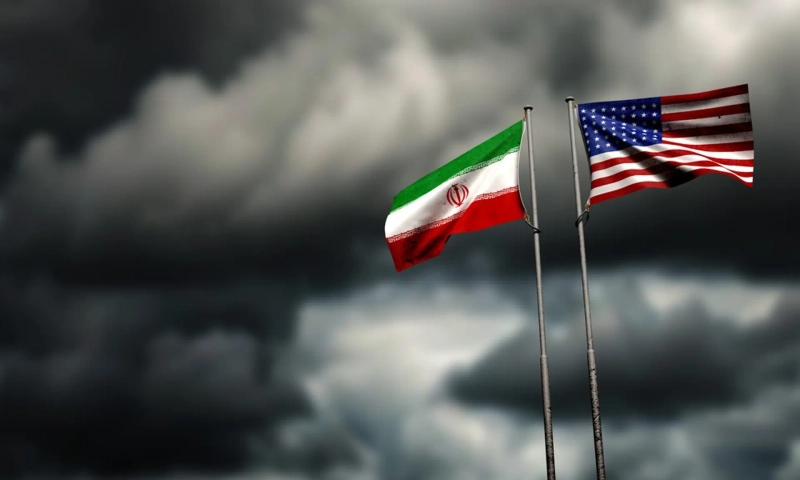
The U.S. and Iran are continuing negotiations to end the war, but they have yet to narrow differences over key issues.
Reuters reported on November 2 that Iranian Foreign Minister Abbas Araghchi said indirect talks with the U.S. were under way with Qatar acting as mediator, and that whether a deal is reached depends on a political decision by the U.S. government. The two sides have revised draft proposals in recent days, but have not found a breakthrough.
At the center of the negotiations is a seven-step war-ending plan that Iran presented in September. The proposal includes lifting the U.S. blockade on Iranian ports, reopening the Strait of Hormuz, granting sanctions waivers for sales of Iranian crude and withdrawing newly imposed sanctions. Iran said it had simplified the existing plan so it could be implemented within two days, while maintaining its basic position.
Differences over the nuclear issue remain unresolved. Iran's Foreign Ministry reiterated that it can return to negotiations over its nuclear program only after confirming that the conditions it proposed have been met. It also expressed a negative view on the possibility of transferring highly enriched uranium abroad. President Donald Trump had previously rejected Iran's seven-step war-ending proposal.
Concerns also remain that military conflict could resume after the U.S. midterm elections. Trump said on November 2 that Iran wants an agreement and that a war-ending deal could be reached, but he did not disclose details. Iranian sources, by contrast, said they see the possibility of additional U.S. attacks as greater than the odds of a negotiated settlement.
China and Russia opposed a resumption of military action and called for a diplomatic solution. Chinese Foreign Minister Wang Yi met a senior Iranian security official in Beijing and said a political solution should take priority over the use of force. Russia's Foreign Ministry also expressed concern about the possibility of further attacks on Iran and called for broader negotiations.
Uncertainty over Middle East energy supplies is also continuing. On October 30, a Qatari liquefied natural gas carrier in the Persian Gulf was hit by an unidentified object. Attacks on oil tankers have recurred since the war between the U.S. and Iran, but strikes on LNG carriers have been relatively rare.
Global oil prices fell about 4% on November 2 on hopes for progress in the war-ending talks. Still, with the two sides still far apart on their core demands, the market is watching how negotiations develop after the U.S. midterm elections and whether additional military action follows.

Suehyeon Lee
shlee@bloomingbit.ioI'm reporter Suehyeon Lee, your Web3 Moderator.