

US Senator Alleges CFTC-Kalshi Collusion, Urges Congressional Probe
Summary
- A US senator raised allegations of collusion between the CFTC and prediction-market platform Kalshi and called for a congressional investigation.
- Kalshi's crypto perpetual futures recorded $5.5 billion in trading volume within two weeks of launch and later expanded to US stocks.
- Traditional financial exchanges are engaged in a regulatory dispute between the CFTC and the SEC over oversight of stock perpetual futures, and have already filed a lawsuit.
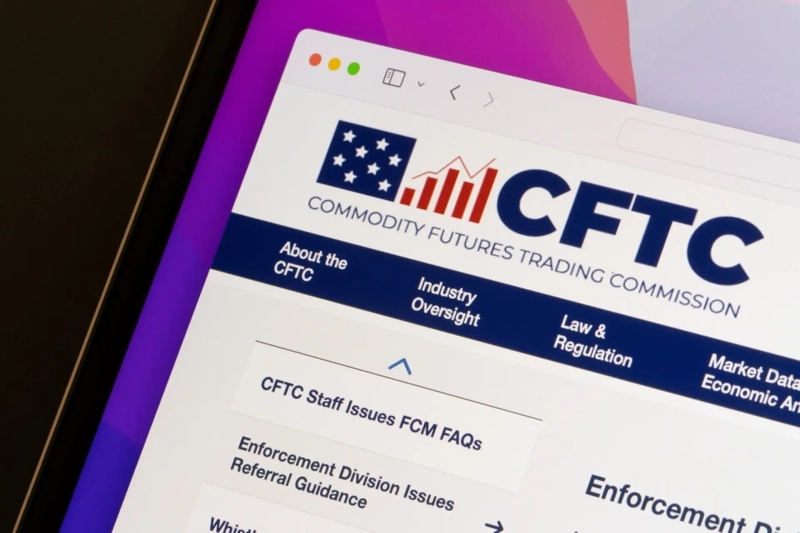
Sen. Richard Blumenthal, a Democrat, has called for a congressional investigation into alleged collusion between the Commodity Futures Trading Commission and a prediction-market platform.
Bitcoin.com reported on November 15 that Blumenthal raised the possibility that the CFTC may have favored Kalshi in approving the platform's stock perpetual futures trading. In a post on X, he criticized the agency for prioritizing industry interests over consumer protection by allowing new speculative trading tied to stock and cryptocurrency prices.
The controversy stems from a Wall Street Journal report on alleged contacts between Kalshi and the CFTC. According to the report, Kalshi had planned an event at a luxury penthouse in Brooklyn, New York, to mark the launch of its stock perpetual futures, but canceled it after the CFTC's approval announcement was delayed.
The Journal also reported allegations that Kalshi Chief Executive Officer Tarek Mansour called CFTC Chairman Michael Selig directly to complain about the delay in the approval announcement, citing three unnamed people familiar with the call.
Blumenthal argued that the episode could point to an improper relationship between the regulator and prediction-market firms. "More strong signs have emerged that the CFTC is under the influence of the prediction-market industry," he wrote. "Congress must act because this poses serious risks to the public."
Kalshi's perpetual futures are derivatives that allow traders to bet on rises or falls in an underlying asset without an expiration date. The company recorded $5.5 billion in trading volume within two weeks of launching cryptocurrency perpetual futures in May, and recently expanded the product to US stocks.
The regulatory dispute over stock perpetual futures is also widening. Traditional financial exchanges argue the products are closer to security-based swaps than conventional commodity futures and should be overseen by the Securities and Exchange Commission. Related firms have filed a lawsuit against the CFTC through the Capital Markets Alliance, or CMA.
Blumenthal previously sought documents on ties between stablecoin issuer Tether and the Trump administration. He has now broadened his scrutiny to the regulatory approval process for prediction-market platforms, extending the debate over the CFTC's oversight powers and consumer-protection framework.

Suehyeon Lee
shlee@bloomingbit.ioI'm reporter Suehyeon Lee, your Web3 Moderator.