Xi Opposes Protectionism, Urges Trade and Tech Cooperation as U.S. Tightens AI Chip Curbs on China
Summary
- Xi said Asia-Pacific countries should lower trade barriers and expand technology cooperation as the U.S. strengthens AI chip restrictions on China.
- China said it will provide foreign investors with a stable and predictable business environment by cutting tariffs, improving market access and overhauling regulations.
- Concerns are growing that U.S.-China trade tensions could intensify after Washington moved to restrict access to high-performance AI semiconductors and China signaled possible retaliation.
Forecast Trend Report by Period


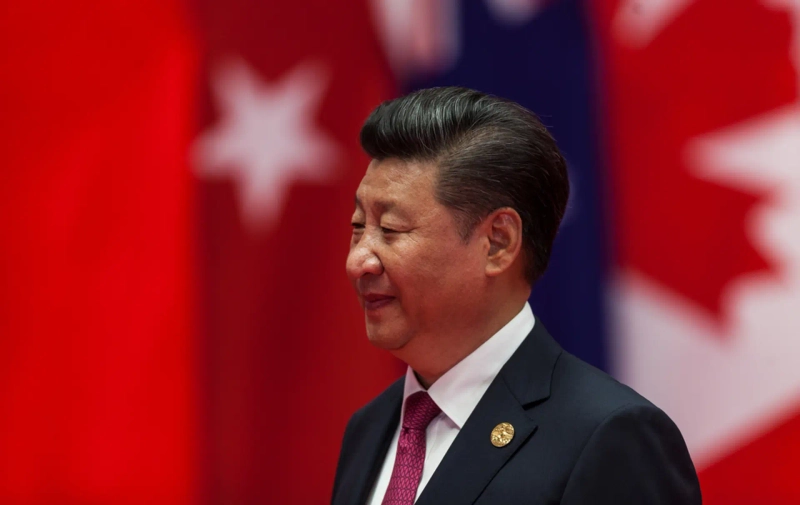
Chinese President Xi Jinping called on Asia-Pacific countries to lower trade barriers and expand technology cooperation as the U.S. tightens restrictions on artificial intelligence chips for China.
Bloomberg reported on November 17 that Xi made the remarks in a speech at the Asia-Pacific Economic Cooperation CEO Summit in Shenzhen. He said the global economy's growth momentum is weakening and voiced concern over the spread of unilateralism and protectionism.
Xi emphasized that countries should strengthen economic ties to maintain the stability of global supply chains. He presented AI and the digital economy as new engines of growth and called for broader cooperation in advanced technology. He also described China as a large innovation testing ground where advanced technologies can be applied and refined in real industrial settings.
The comments came shortly after Washington announced additional measures to curb China's development of advanced AI technology. On November 16, the U.S. government unveiled new rules restricting Chinese companies from accessing high-performance AI semiconductors and computing resources through overseas data centers or third countries. Concerns are growing that trade tensions between the two countries could flare again after China signaled possible retaliation.
Xi also outlined policies aimed at expanding foreign companies' access to the Chinese market. China plans to cut tariffs, improve market access and revamp related regulations to provide overseas investors with a stable and predictable business environment.
The move appears aimed at addressing a slowing Chinese economy and intensifying U.S. technology pressure at the same time. Recent Chinese economic data showed weaker growth across major sectors. Discontent among key trading partners over China's export-led growth model is also increasing as domestic demand remains weak.
"China has upheld true multilateralism in the face of unilateralism and protectionism," Xi said. "No matter how the international situation changes, we will steadfastly continue cooperation with all countries in pursuit of mutual benefit."
Meanwhile, Xi is holding a series of meetings with leaders of major countries on the sidelines of the APEC summit. He and Canadian Prime Minister Mark Carney agreed to further ease tariff burdens related to agricultural products and steel exports. Xi is also scheduled to meet Russian President Vladimir Putin, followed by a three-way meeting that will include U.S. President Donald Trump, where U.S.-China trade and technology tensions are expected to be a main agenda item.

Suehyeon Lee
shlee@bloomingbit.ioI'm reporter Suehyeon Lee, your Web3 Moderator.