Summary
- Nvidia said it has halted shipments to China of the H200, a Hopper architecture-based data-center chip that it had been selling with US government export approval.
- Nvidia said it sold $2.4 billion of Hopper-based products to China in the third quarter, but did not include revenue from those products in its forward guidance.
- Nvidia said it raised its revenue outlook for next year despite uncertainty in its China business and tighter national security and export controls.
Forecast Trend Report by Period


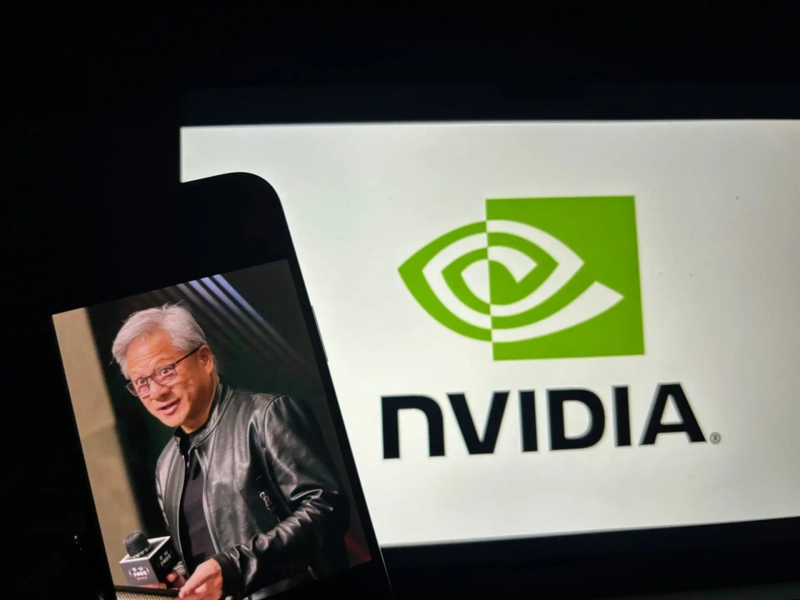
Nvidia has stopped supplying China with its H200 artificial intelligence chip, which it had been selling under US export licenses.
Bloomberg reported on November 18 that interim Chief Executive Officer Colette Kress said on the company’s third-quarter earnings conference call that Nvidia had halted shipments to China of data-center chips based on its Hopper architecture.
Nvidia sold $2.4 billion of Hopper-based products to China in the third quarter after receiving US government export approval. Kress said the company did not include revenue from those products in its forward guidance and is not currently supplying them to China. She did not disclose a specific reason for the halt.
The move comes as the US tightens restrictions aimed at limiting China’s access to advanced AI semiconductors. On November 16, the Trump administration moved to strengthen reviews of semiconductor exports to some countries and restrict sales when overseas data centers give Chinese companies remote access to high-performance AI chips and servers.
Nvidia had been pushing to expand chip exports to the Chinese market. Former CEO Jensen Huang had called for looser export restrictions, drawing on his relationship with US President Donald Trump. The US government did not approve sales of Nvidia’s advanced Blackwell chips, but it had allowed exports to China of the H200, a product two generations older than Rubin, its current flagship line.
Still, Nvidia’s strategy in China is shifting after Huang resigned last week amid a personal controversy and security questions tied to China. A woman said to have been connected to Huang is under investigation by US authorities over possible support for Chinese intelligence agencies and involvement in semiconductor smuggling. The Chinese government denied allegations that Huang engaged in espionage.
Nvidia’s board is also stepping up its response to national security and export-control issues. Chairman Harvey Jones said changes in the national security environment are having a significant effect on the semiconductor market and that the next CEO must respond carefully to related regulations. Nvidia recently created a board committee dedicated to national security and export controls.
Separately, Nvidia raised its revenue outlook for next year despite uncertainty surrounding its China business. The company is moving to improve access to key component supply chains while distancing itself from any possibility of Huang’s return and building a new management structure.

Suehyeon Lee
shlee@bloomingbit.ioI'm reporter Suehyeon Lee, your Web3 Moderator.