SEC Seeks Direct Oversight of CAT, Revamps Operating Structure After Wall Street Backlash
Summary
- The SEC said it has proposed rule changes to restructure oversight of the Consolidated Audit Trail (CAT) and its cost-allocation framework, while requiring stock and options trading data to be reported directly to the agency.
- The proposal also said CAT operating funds would be covered through a budget approved by Congress, putting the system on a sustainable footing.
- The financial industry welcomed the overhaul as a way to ease the cost burden and strengthen privacy protection, while also saying it is essential to preserve the system's government-run market surveillance function.
Forecast Trend Report by Period


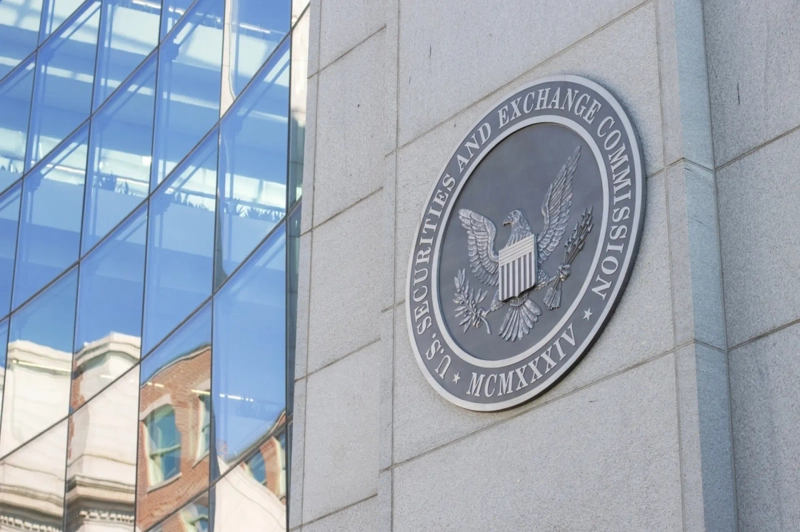
The U.S. Securities and Exchange Commission is moving to overhaul the operating and funding structure of the Consolidated Audit Trail, or CAT, the stock-trade surveillance system that has drawn lawsuits and opposition from Wall Street.
Bloomberg reported on November 21 that the SEC has proposed rule changes to reshape CAT's governance and cost-sharing structure. At the center of the plan is a requirement that brokerages and exchanges report stock and options trading data directly to the SEC or to an entity designated by the agency.
CAT was introduced after the 2010 Flash Crash in the U.S. stock market to help track market manipulation and unfair trading. The system was designed to combine trading data from brokerages, exchanges and other market participants so regulators could analyze suspicious activity.
The financial industry pushed back as the cost of building and maintaining the system rose well beyond initial estimates. SEC Chair Paul Atkins said CAT's annual operating cost had been estimated at about $250 million, though recent cost-cutting efforts have lowered that figure by more than $100 million a year.
The dispute deepened under the Biden administration, when brokerages were required to bear a large share of the system's build-out and operating costs. Citadel Securities and industry groups challenged the move in court, and a judge last year struck down the existing CAT cost-allocation framework and ordered the SEC to reconsider it.
The proposal also would fund CAT through a budget approved by Congress. Atkins described the change as a step toward placing the system on a sustainable footing.
Privacy has also been a major point of contention. Industry groups argued that the vast amount of investor data accumulated in CAT could become a target for hackers and could infringe on traders' rights. In response, the SEC moved after the start of the Trump administration to exclude personally identifiable information from the system.
The financial industry welcomed the proposal. Chris Iacovella, chief executive officer of the American Securities Association, said CAT had created the risk of cyberattacks and excessive government surveillance by storing large amounts of sensitive investor information.
Others argued that CAT's market-surveillance function must be preserved. Tyler Gellasch, CEO of the Healthy Markets Association, said a system that tracks stock and derivatives trading in an integrated way is essential to detecting market abuse and that direct government oversight is appropriate.
The SEC will take public comment on the proposal for 60 days before incorporating feedback into a final rule. SEC rulemaking typically takes 18 to 24 months, meaning additional procedures are likely before the changes take effect.

Suehyeon Lee
shlee@bloomingbit.ioI'm reporter Suehyeon Lee, your Web3 Moderator.