Goldman Says Won Stability Better Than Rate Hikes for Curbing Korea Inflation
Summary
- Goldman Sachs said won stability would be more effective than benchmark interest-rate hikes in curbing inflation in South Korea.
- It said the Bank of Korea's benchmark interest rate would peak at no higher than 3.5%, while inflation could ease to around 2% in the second half of next year.
- Goldman expects South Korea's economic growth to top 3% next year, while private consumption growth remains around 2%. It also sees the won-dollar exchange rate falling to 1,280 won, raising expectations for a stronger won and lower import prices.
Forecast Trend Report by Period


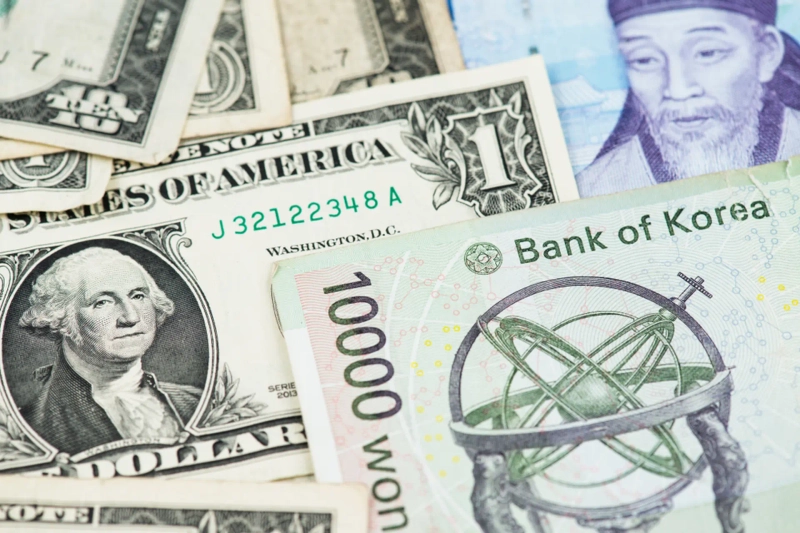
Goldman Sachs said stabilizing the won would be more effective than raising interest rates in curbing inflation in South Korea.
Bloomberg reported on November 24 that Kwon Goohoon, Goldman Sachs's chief Asia economist, told a press briefing that inflation pressure in Korea is being driven more by rising import prices than by stronger domestic demand.
Kwon said the Bank of Korea's benchmark interest rate would peak at no higher than 3.5%. He also projected inflation would slow to around 2% in the second half of next year, helped by a stronger won, monetary tightening and government efforts to stabilize prices.
"Unless global oil prices rise again or the won weakens anew, there is not much underlying pressure that would push inflation higher," he said. "If inflation slows to 2%, there would be no particular reason for the Bank of Korea to keep raising rates."
He put greater weight on the possibility of a rate hold at the year's final Monetary Policy Board meeting, scheduled for November 26. Even if the central bank raises rates, he expects the move to be accompanied by a dovish message. He also said the median of board members' six-month benchmark-rate outlook would not exceed 3.5%.
Kwon said it will take time for the semiconductor boom to feed through to a broader recovery in domestic demand. In Taiwan, gains from stronger AI demand and higher output are spreading across the technology sector. In Korea, by contrast, the benefits of rising memory-chip prices are concentrated in two major chipmakers.
Goldman Sachs expects South Korea's economy to grow more than 3% next year, while private consumption growth will remain around 2%. Rapid population aging, household assets concentrated in real estate and the recent slump in the stock market were cited as constraints on a recovery in consumption.
The firm expects the won to strengthen to 1,280 per dollar next year. It said demand for the Korean currency would rise as stronger corporate earnings feed into tax payments, dividend payouts and wages. A firmer won would lower import prices and lift household purchasing power, helping the benefits of the semiconductor export boom spread into domestic demand.
Kwon added that while the benchmark rate is likely to peak at 3.5%, the timing and scale of any Bank of Korea rate cuts will depend on how long the AI boom lasts.

Suehyeon Lee
shlee@bloomingbit.ioI'm reporter Suehyeon Lee, your Web3 Moderator.