Russia Crypto Legalization Shows Western Sanctions Are Working, Latvia FIU Says
Summary
- Russia has shifted policy from discussing a blanket crypto ban to allowing virtual-asset trading within a regulated system.
- The Moscow Exchange plans to launch a regulated virtual-asset trading pilot program for Bitcoin, Ether, and Tether starting December 1.
- The European Commission has proposed a 22nd sanctions package against Russia targeting virtual-asset platforms in Russia and third countries, and launched a task force dedicated to crypto sanctions.
Forecast Trend Report by Period


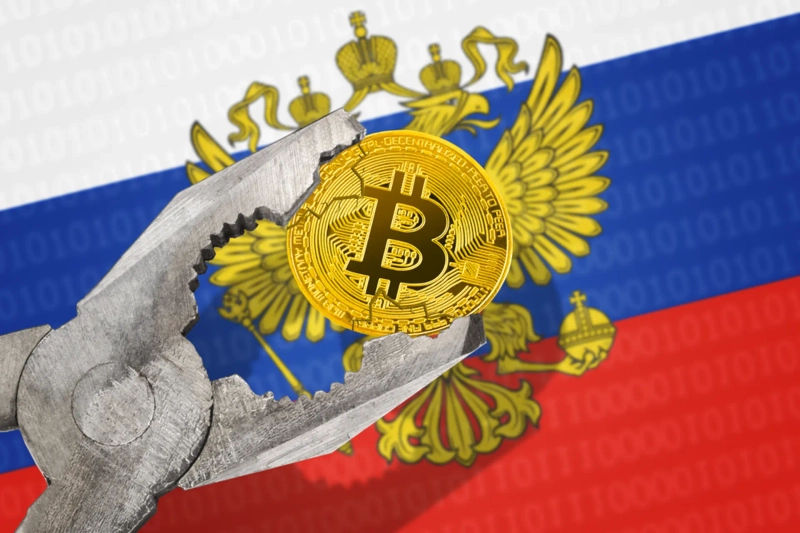
Russia’s move to legalize virtual-asset trading shows Western economic sanctions are having an effect, Latvia’s Financial Intelligence Unit said.
CoinDesk reported on November 29 that Paulis Iļjenkovs, deputy head of Latvia’s Financial Intelligence Unit, told the recent Fintech Pulse conference in Riga that Russia’s shift in virtual-asset policy is closely tied to Western economic sanctions.
Russia had been discussing a blanket ban on virtual assets as recently as 2022, but has since shifted toward allowing trading within a regulated framework, Iļjenkovs said. Western financial sanctions have expanded the role of virtual assets in helping Russia pay for goods purchased overseas.
The Moscow Exchange is scheduled to begin a pilot program for regulated virtual-asset trading in Bitcoin, Ether and Tether on December 1.
Still, Russia’s sanctions-evasion network remains active. Iļjenkovs said the operations of A7, a Russian-linked financial network designated by the U.S. Treasury in early October as a transnational criminal organization, have not been significantly curtailed. Sanctions evasion through traditional financial institutions is also continuing.
The European Union is also stepping up its response. The European Commission recently proposed a 22nd sanctions package against Russia targeting virtual-asset platforms in Russia and third countries, and launched a task force dedicated to crypto sanctions.
Latvia also recently raised the money-laundering risk rating for virtual-asset service providers in its national risk assessment to “medium-high” from “medium.” Even so, only a small fraction of the 419 sanctions-related reports filed with Latvia’s Financial Intelligence Unit in the third quarter involved virtual assets.

Suehyeon Lee
shlee@bloomingbit.ioI'm reporter Suehyeon Lee, your Web3 Moderator.