

"Canada Drafts Retaliatory Tariff List... One-Third of U.S. Imports"
Summary
- The Canadian government reportedly drafted a preliminary list of retaliatory tariffs.
- The list is said to include about one-third of the import volume of U.S. goods.
- Prime Minister Trudeau mentioned the potential for cooperation in the energy sector and emphasized that Canada has critical minerals for advanced industries.
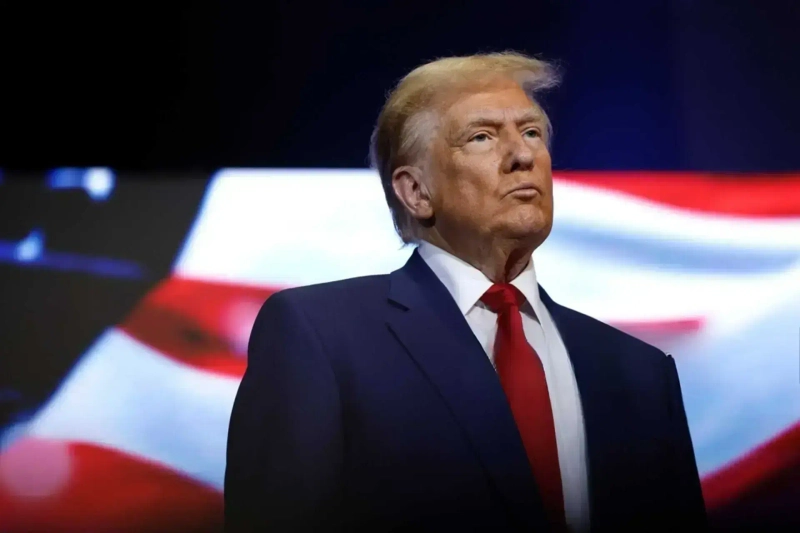
The Canadian government has reportedly drafted a preliminary list of retaliatory tariffs in response to tariffs imposed by U.S. President-elect Donald Trump. The import volume of U.S. goods included in this list is said to amount to $105 billion (approximately 153 trillion won).
Bloomberg reported this on the 16th (local time), citing anonymous sources. This amount is about one-third of the $340 billion worth of U.S. goods imported by Canada over the 12 months up to last November. The source stated that whether additional items will be added depends on the actions of the United States.
Previously, in 2018, during the first Trump administration, the Canadian government imposed retaliatory tariffs on U.S. goods such as washing machines and bourbon whiskey after the U.S. imposed tariffs on Canadian steel and aluminum.
At that time, the Canadian government employed a pressure tactic by targeting factories located in regions where U.S. Republican politicians wield influence when determining the items subject to retaliatory tariffs. The import volume of those goods was about $16.6 billion.
Justin Trudeau, who has announced his intention to resign, reportedly emphasized positive messages, mentioning opportunities for Canada and the U.S. to build partnerships in the energy sector during a meeting with governors in Ottawa on the 15th to discuss strategies for responding to U.S. tariffs.
Trudeau also noted that Canada has critical minerals needed for advanced industries, stating that the U.S. "will get them from China if not from Canada."
After the meeting, 12 out of 13 governors issued a statement expressing their commitment to work together on all measures to strongly respond to U.S. tariffs.
However, Alberta Premier Daniel Smith said he could not agree with the two ideas of imposing export taxes or reducing exports on energy exports.
More than half of U.S. crude oil imports are Canadian, mostly produced in Alberta.
Smith, who met with President-elect Trump at the Mar-a-Lago resort in Florida over the weekend, said at a press conference on the 13th, "We need to be prepared for the possibility that those (tariffs) will come into effect on January 20," adding, "I have seen no signs that he (President-elect Trump) is changing course."
Reporter Gojung Sam, Hankyung.com jsk@hankyung.com

Korea Economic Daily
hankyung@bloomingbit.ioThe Korea Economic Daily Global is a digital media where latest news on Korean companies, industries, and financial markets.