

PiCK
China Retaliates Within a Day... "15% Additional Tariffs on Some US Products"
Summary
- China announced that it would impose additional tariffs of up to 15% on US exports in retaliation for the new tariff imposed by the United States.
- In particular, tariffs on soybeans and beef are expected to impact the US agricultural sector, according to the report.
- Experts predict that trade negotiations between the US and China are likely to be prolonged, and the Trump administration will maintain a tough stance.
US-China Trade War Intensifies Again
Summit Between Leaders Uncertain
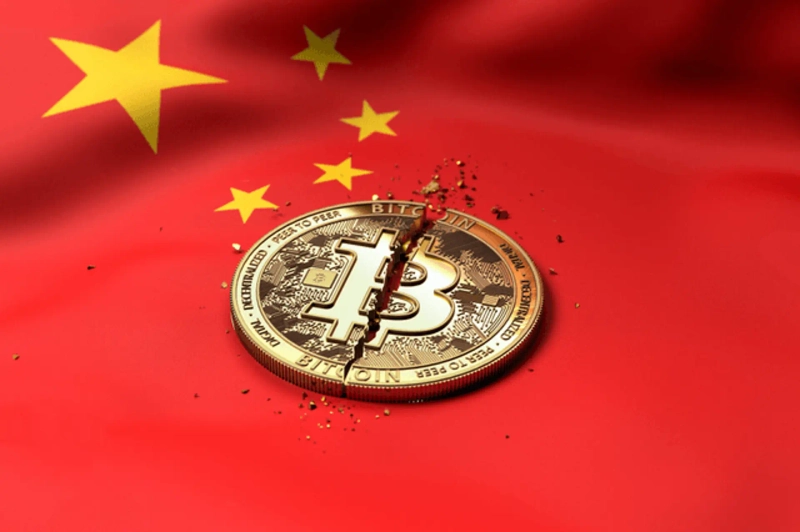
China has immediately pulled out its retaliation card against the US's new tariffs. It has decided to impose tariffs of up to 15% on US exports.
According to Bloomberg on the 4th, China's Ministry of Finance issued a statement saying, "This is a response to the US raising tariffs on all Chinese products from 10% to 20%," and announced that "an additional 10% tariff will be imposed on soybeans, beef, fruits, etc., and up to 15% tariffs will be imposed on some items such as chicken and cotton."
This measure came just one day after the US doubled tariffs on all Chinese products. The US raised tariffs citing China's insufficient efforts to block illegal fentanyl inflow.
The Chinese Ministry of Commerce also announced additional retaliatory measures. It stated that 10 US companies related to the defense industry and construction would be added to the 'unreliable entities list.' As a result, these companies are expected to face trade restrictions in China.
The Chinese government emphasized through its statement, "We urge the US to withdraw its decision to impose additional tariffs and return to the dialogue table," adding that "we will defend our national interests through all necessary measures."
Despite this announcement, the foreign exchange market showed relatively stable trends. The yuan rose 0.3% against the dollar to 7.2828 in the offshore market, while gaining only 0.1% in the onshore market.
Previously, US President Donald Trump expressed willingness to talk with Chinese President Xi Jinping, but direct discussions between the two leaders have not yet taken place even after a month.
Analysts suggest that China's response is focused on directly hitting the US economy. In particular, tariffs on soybeans and beef, major US agricultural export items, are expected to impact the agricultural sector.
Earlier, China has been gradually increasing its countermeasures in response to the US's 10% tariff, including sanctions against US companies such as Illumina, a genetic analysis firm.
Experts predict that "trade negotiations between the two countries are likely to be prolonged, and the Trump administration will maintain a tough stance toward China ahead of the US presidential election."
Reporter Lee Hye-in hey@hankyung.com

Korea Economic Daily
hankyung@bloomingbit.ioThe Korea Economic Daily Global is a digital media where latest news on Korean companies, industries, and financial markets.