

Chinese Stock Market Still Attractive Despite 'Tariff Bombing'... Focus on Messages from Two Sessions Closing on the 11th
Summary
- The Chinese stock market is maintaining its upward momentum despite tariff risks, thanks to expectations for the AI industry and government economic stimulus measures.
- The Chinese government's regulatory easing and financial support are positively impacting the growth potential of emerging technology companies.
- The future direction of the Chinese stock market is expected to be determined by the Two Sessions closing messages on the 11th and whether U.S.-China negotiations will resume.
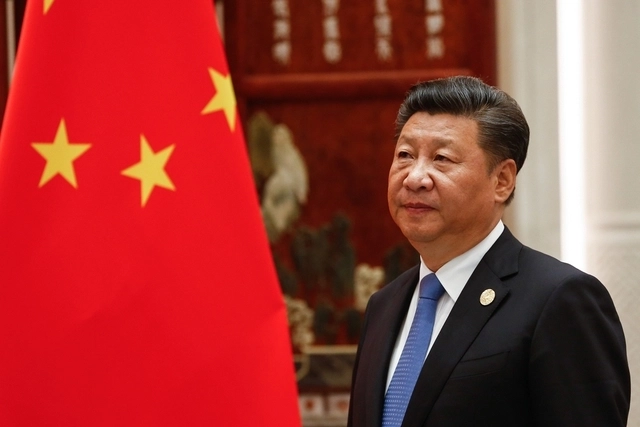
The Chinese stock market is showing resilience despite the tariff risks triggered by the United States. Although U.S. President Donald Trump continues to pressure China with additional tariffs, the market is still gaining momentum due to expectations for the artificial intelligence (AI) industry and the Chinese government's aggressive economic stimulus measures.
On the 7th, the Shanghai Composite Index closed at 3,372.55, down 0.25% from the previous trading day. However, on a weekly basis, it rose 1.55% over the past week. Additionally, the CSI300 index, which consists of large-cap stocks from the Shanghai and Shenzhen markets, closed at 3,944.01, down 0.31% from the previous trading day, but rose 1.38% on a weekly basis.
President Trump imposed an additional 10% tariff on Chinese goods starting on the 4th of last month, followed by another 10% on the 4th of this month, bringing the total additional tariff to 20%. This is actually impacting China's export performance. China's exports for January-February this year amounted to $539.94 billion (approximately 780 trillion won), up 2.3% year-on-year, falling well short of market expectations (5%). Concerns about U.S. tariff pressure also dragged down the Chinese stock market in the latter part of last week.
However, investors are still betting on the potential rise of Chinese companies. Investors who largely left China after the COVID-19 pandemic are now focusing on the growth potential of new technology companies like the 'Hangzhou Six Dragons (六小龍)' following the rise of AI startup DeepSeek.
While the Chinese government has been cautious about the growth of big tech companies, it has expressed full support through regulatory easing and financial backing since the beginning of this year. Major investors who had rushed to invest in Indian and other markets instead of China are now shifting their focus back to the Chinese market, somewhat offsetting the tariff risks.
Furthermore, at the annual major political event known as the Two Sessions (National People's Congress and Chinese People's Political Consultative Conference), the government set this year's economic growth target at around 5% and the fiscal deficit ratio at 4% of GDP, the highest ever, leading many investors to expect economic stimulus effects. The direction of the Chinese stock market is expected to be determined by the Chinese government's new messages at the closing of the Two Sessions on the 11th and whether U.S.-China negotiations will resume.
Beijing=Kim Eun-jung, Correspondent kej@hankyung.com

Korea Economic Daily
hankyung@bloomingbit.ioThe Korea Economic Daily Global is a digital media where latest news on Korean companies, industries, and financial markets.