Summary
- The White House’s discussions on a stablecoin framework reportedly failed to reach agreement between the crypto industry and the banking sector over whether to allow stablecoin reward programs.
- Banks held to their existing stance of banning stablecoin reward activities, leaving it as the biggest sticking point for the Digital Asset Market Clarity Act (Clarity Act) as it heads toward the Senate Banking Committee.
- While the crypto industry signaled willingness to continue negotiations, additional variables include Democratic negotiators’ demands for restrictions on senior officials’ involvement with cryptoassets, stronger anti–illicit finance measures, and completion of CFTC appointments.
Forecast Trend Report by Period


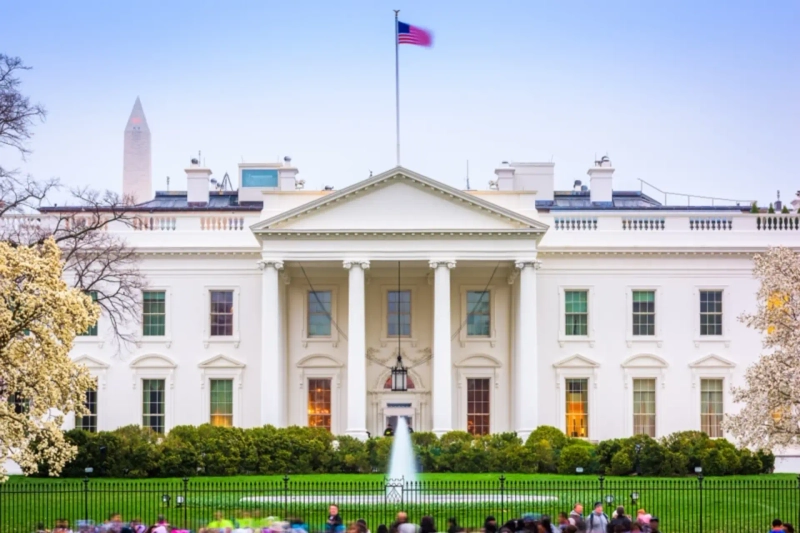
Discussions at the U.S. White House on a stablecoin framework between the crypto industry and the banking sector reportedly ended without a clear agreement.
According to CoinDesk on the 10th (local time), the White House convened representatives from the crypto industry and major banking trade groups a day earlier to coordinate views on the Digital Asset Market Structure bill now being considered in the Senate—the Digital Asset Market Clarity Act (Clarity Act). The central issue at the meeting was whether to allow stablecoin reward programs.
A source familiar with the discussions said, “The crypto industry came to the meeting prepared to discuss a legislative compromise on stablecoin rewards, but the banking sector did not come in with an intent to compromise.” Banks are said to have maintained their longstanding position that stablecoin reward activities should be prohibited.
Attendees reportedly included Coinbase, Ripple, Andreessen Horowitz (a16z), the Crypto Council for Innovation (CCI), and the Blockchain Association. The White House sought working-level, substance-focused talks by limiting the number of participants, but there was no progress on the stablecoin rewards issue, according to assessments.
The crypto industry, however, signaled its willingness to keep negotiating immediately after the meeting. Summer Mersinger, CEO of the Blockchain Association, said there had been progress “in that stakeholders are discussing unresolved issues constructively to address them.”
Ji Kim, CEO of the Crypto Council for Innovation, also said after the meeting that “important discussions are ongoing,” adding that he was “grateful for the banking sector’s continued participation.”
Banking groups also reaffirmed their stance in a joint statement. The Bank Policy Institute (BPI) and the American Bankers Association (ABA) said, “We embrace financial innovation, but it must not undermine safety and soundness or threaten bank deposits that support local lending and economic activity.” They did not, however, provide specific comments on the legislative process ahead or any potential compromise.
The bill has already passed the Senate Agriculture Committee, and a bill under the same name was approved in the House last year. Still, overcoming opposition from the banking sector remains key for clearing the Senate Banking Committee.
In addition, Democratic negotiators are reportedly demanding as preconditions for the bill provisions to restrict senior officials’ involvement with cryptoassets, stronger safeguards against illicit finance, and completion of appointments at the Commodity Futures Trading Commission (CFTC).
Patrick Witt, the White House adviser on crypto policy, expressed optimism that talks could make progress soon, but said, “The White House will not agree to legislation that includes provisions aimed at the president.”

YM Lee
20min@bloomingbit.ioCrypto Chatterbox_ tlg@Bloomingbit_YMLEE