

PiCK
EU Retaliates Against US Steel and Aluminum Tariffs with $30 Billion Countermeasure
Summary
- The European Union (EU) announced it will impose retaliatory tariffs worth €26 billion in response to US steel and aluminum tariffs.
- This is approximately 4 times larger than during Trump's first term, specifically targeting products from Republican stronghold regions.
- The EU is monitoring the impact on the European market due to reduced steel exports to Europe and US market restructuring.
"Proportional response to US tariffs that took effect on the 12th"
Targeting products from Republican strongholds including steel, bourbon, agricultural products, and motorcycles
Four times larger than tariffs imposed during Trump's first term
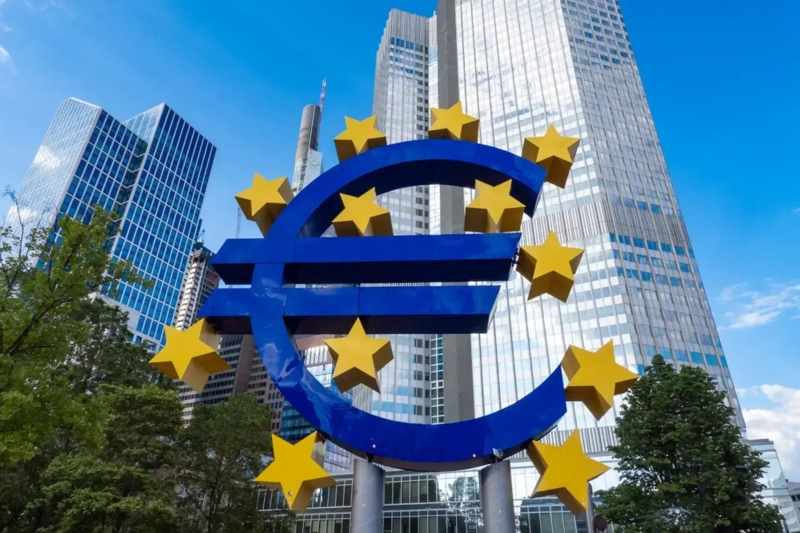
The European Union (EU) announced on the 12th (local time) that it will impose tariffs on American steel, aluminum, agricultural products, and home appliances worth €26 billion ($30 billion) in response to US tariffs on steel and aluminum.
This retaliatory measure comes after the US implemented 25% tariffs on European steel and aluminum, which took effect at midnight on the same day. The EU will immediately begin consultations with member states, and the tariffs are expected to take effect from mid-April.
European Commission President Ursula von der Leyen said in a statement, "This response is strong but proportionate" to the US's preemptive tariff imposition. She added, "The EU must act to protect its consumers and businesses."
According to Bloomberg, Europe's latest tariffs are nearly four times larger than similar retaliatory measures imposed during Trump's first term. At that time, the US targeted nearly $7 billion worth of EU metal exports, citing national security concerns. This time, the EU is targeting American steel and aluminum products, as well as textiles, agricultural products, and home appliances.
According to the statement, the EU also plans to hit American products such as boats, bourbon, and motorcycles, following previous trade disputes with Trump.
President Trump announced in early April that he would impose reciprocal tariffs based on partner countries' policies that are considered obstacles to US exports, such as Europe's value-added tax. This targeted specific goods including European cars.
EU Trade Commissioner Maros Sefcovic tried to find an amicable solution with members of Trump's team, including US Commerce Secretary Howard Lutnik, in Washington last month. He proposed lowering tariffs on industrial goods including automobiles—one of Trump's long-standing demands—and increasing imports of US liquefied natural gas (LNG) and defense products.
Sefcovic said on the 10th, "Nevertheless, the US government did not seem willing to engage in negotiations." He emphasized, "Just as the US focuses on its interests, so does the EU," adding that "we will protect European businesses, workers, and consumers from unfair tariffs."
The EU had previously stated it would retaliate swiftly and proportionally to any US moves. For months, it has been preparing various lists of goods for potential tariff imposition. These include bourbon and whiskey, steel and aluminum, glassware, agricultural products, Harley-Davidson motorcycles, and Levi's jeans—products primarily produced in Republican-dominated states and exported to Europe. This is a strategic choice to inflict more economic pain on Trump administration and Republican voters.
European steel producers are preparing for a dual impact. Exports from Europe to the US are expected to decrease, while imports into Europe may increase as exports from the US to other regions are redirected.
A spokesperson for Eurofer, an EU industry group, said, "The EU steel market is already saturated with cheap steel imported from Asia, North Africa, and the Middle East." They added, "With steel that was previously exported to the US likely to be redirected due to new tariffs, the EU market is expected to face an even bigger hit." The spokesperson revealed that two-thirds of steel that couldn't be exported to the US market during Trump's first term due to tariffs ended up in the EU.
EU aluminum producers are also preparing for a surge in imports, particularly from Canada, which has supplied more than half of the aluminum imported by the US.
During Trump's first term, the EU also took retaliatory measures by targeting companies like Harley-Davidson motorcycles and Levi's jeans that could impact Republican voters.
Both sides agreed to a temporary truce in 2021 under President Biden. At that time, the US withdrew some measures and introduced tariff-rate quotas for steel and aluminum with non-tariff applications, while the EU froze all retaliatory tariff measures.
With Trump's new tariffs, the EU has decided to revive tariffs on about $8 billion worth of US products that had previously been suspended, starting from the end of March.
Kim Jung-a, Contributing Writer kja@hankyung.com

Korea Economic Daily
hankyung@bloomingbit.ioThe Korea Economic Daily Global is a digital media where latest news on Korean companies, industries, and financial markets.