

US White House Mentions "700% Tariff on Japanese Rice"...Possibility of Targeted Attack
Summary
- The White House mentioned Japan's rice tariffs and indicated the possibility of them becoming targets in the process of imposing reciprocal tariffs.
- Japan has maintained high rice tariffs, and recent attempts to secure exemptions have failed, according to the report.
- According to the Japanese Ministry of Finance, about half of rice imports in 2023 were from the US, which is a point investors should note.
White House Spokesperson Employs Tariff Charts for Japan, India, and EU
Japan Fails to Secure Tariff Exemption
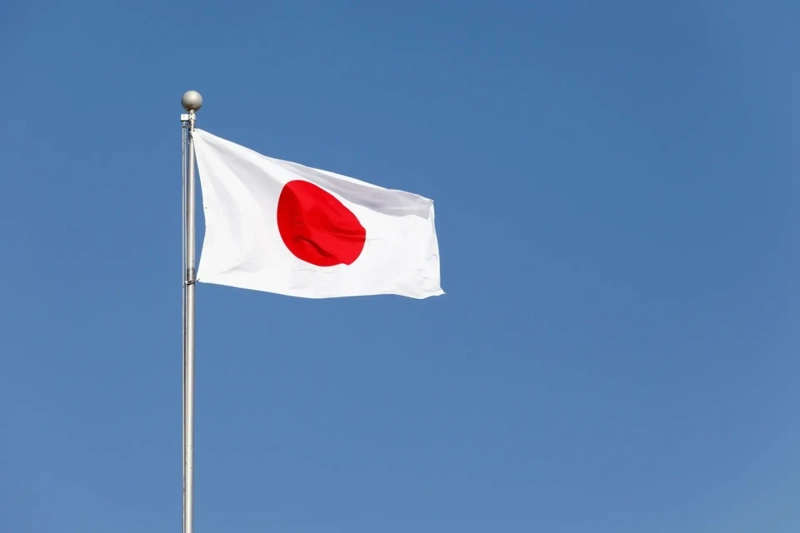
As the White House mentions Japan's rice tariffs, the possibility of Japanese grain tariffs becoming a target in the process of the US imposing reciprocal tariffs has increased.
According to Bloomberg on the 12th (local time), White House spokesperson Karine Jean-Pierre emphasized to reporters the previous day that Japan imposes a 700% tariff on rice. She pointed to a chart of tariff rates from countries including India and the EU, showing the tariff rates Japan applies to beef and dairy products imported from the US.
Japan and other major US trading partners have been visiting Washington in recent days to explore ways to avoid becoming direct targets of Trump's tariffs. Japan's Trade Minister Yoji Muto met with Commerce Secretary Howard Lutnick earlier this week, but failed in his attempt to secure a tariff exemption.
Japanese Cabinet Secretary Yoshimasa Hayashi, when asked about the 700% rice tariff at a press conference on the 12th, said, "We will refrain from commenting on all statements by US officials and continue to communicate with the US side."
Japan's tariff on rice comes amid rising discontent among consumers as prices have surged due to recent rice shortages in Japan. Japan has maintained high tariffs on rice imports to protect domestic production.
However, Japan does not impose tariffs on rice imported through the state-managed trade mechanism. The amount of rice purchased through this mechanism is limited to 770,000 tons. Rice imported through non-governmental trade is taxed at 341 yen (3,335 won) per kilogram.
According to Japanese Ministry of Finance data, Japan imported 675,000 tons of rice through the government mechanism in fiscal year 2022, and 773 tons through private trade. About half of the rice imported by the Japanese government in 2023 was from the US.
A Japanese Agriculture Ministry official stated that the 700% tariff is not an officially announced figure by the Japanese government. According to Professor Kenichi Kawasaki of Japan's National Graduate Institute for Policy Studies, Japan's tariff rate on US rice is about 204%.
The claim of a 700% rice tariff may have originated from a 2015 Japanese government document. This document specified a 778% tariff rate for non-governmental rice imports, with a footnote indicating that this figure was calculated based on rice prices from 1999-2001.
After the US withdrew from the TPP trade agreement in 2017, then-Japanese Prime Minister Shinzo Abe negotiated a bilateral trade agreement with Trump. In this agreement, the US tried to increase the cap on US rice that could be imported duty-free. However, Prime Minister Abe rejected this attempt and agreed in 2019 to maintain rice tariffs while instead reducing tariffs on other US agricultural products such as beef and pork.
Kim Jung-a, Contributing Writer kja@hankyung.com

Korea Economic Daily
hankyung@bloomingbit.ioThe Korea Economic Daily Global is a digital media where latest news on Korean companies, industries, and financial markets.