

Economists: "US February inflation slowdown temporary, before tariffs take effect"
Summary
- Economists point out that the slowdown in US February inflation may be temporary as it occurred before tariffs took effect.
- Consumer prices are likely to rebound after March, which is expected to lead to increases in raw material prices.
- The Fed's rate cut possibility has increased, which is expected to influence the stock market rebound.
Possibility of consumer price rebound for several months after March noted
Fed rate cut in June more likely if recession concerns grow
S&P500 and Nasdaq futures rebounded more than 1%
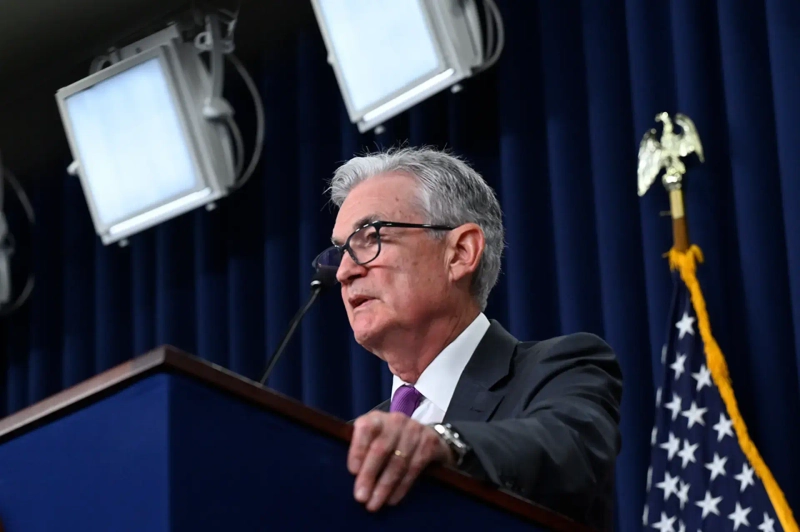
The US stock futures market is breathing a sigh of relief thanks to the February Consumer Price Index (CPI) report that showed lower-than-expected increases. However, US economists and strategists point out that the effects of tariffs have not yet been reflected and prices could rebound over several months after March.
On the 12th (local time), the US Bureau of Labor Statistics announced that February consumer prices rose 0.2%p month-over-month on a headline basis. The annual rate is 2.8%. Core CPI, excluding energy and food prices, also increased by just 0.2%p, less than the 0.3% rise economists had predicted. This is the smallest monthly increase since 2021.
US stock futures immediately turned to significant gains right after the February CPI announcement. Around 8:40 AM Eastern Time, S&P500 index futures were up 1.5%. Dow Jones Industrial Average futures rose 1.1%, while tech-heavy Nasdaq 100 futures surged 1.7%.
The February CPI results are expected to ease pressure on the Federal Reserve's next policy move at a time when concerns about inflation and Trump-induced recession fears have started to ignite in the market.
The slowdown in price increases in February was largely due to the airline fare index falling by 4% and the gasoline index dropping by 1%. It's also positively viewed that housing costs, which account for almost half of the monthly increase items, rose by 0.28% in February compared to 0.37% in the previous month.
According to Bloomberg, the so-called super-core services indicator, which examines service prices excluding housing, increased by 0.22% in February compared to January, showing some stability. This is due to cheaper airfares and medical costs. It's interpreted as a constructive figure following the sharp 0.76% increase in January.
However, economists assess that February's improvement may be temporary, noting that Trump's tariffs began to take effect in earnest from March.
This is because prices for most goods are expected to rise over the next few months after March, considering the aggressive tariffs on imported products. The 25% tariffs on steel and aluminum that took effect on this day have already created widespread cost increase pressures across industries using these metals as raw materials, from industrial machinery to construction and food and beverage industries.
Economists have been revising inflation forecasts upward following the tariff bombshell.
Goldman Sachs estimates that the core Personal Consumption Expenditures (PCE) price index, one of the measures the Fed tracks for monetary policy, will rise from 2.65% in January to about 3% by December. Previously, they had expected annual core PCE inflation to remain in the mid-2% range for the rest of the year.
The Fed is expected to maintain its benchmark interest rate in the 4.25%-4.50% range next Wednesday. Financial markets anticipate that the Fed will cut rates again in June as the economic outlook deteriorates.
Kim Jung-a, Contributing Writer kja@hankyung.com

Korea Economic Daily
hankyung@bloomingbit.ioThe Korea Economic Daily Global is a digital media where latest news on Korean companies, industries, and financial markets.