

Ripple "Stablecoins Emerging as Central Pillar of Global Finance" [Virtual Asset Investment Insight Forum 2025]
Summary
- Rahul Advani of Ripple emphasized that stablecoins have established themselves as a major pillar of the global financial system.
- The rapid rise of stablecoins is driving the expansion of the Asian digital asset market and real-time changes in the financial system, with regulatory frameworks being rapidly prepared.
- Rahul Advani stated that institutional investment inflows and the establishment of a regulatory framework for digital asset custody are necessary, and financial efficiency can be maximized through real-world asset tokenization.
Virtual Asset Investment Insight Forum 2025
Accelerating Innovation Based on Stablecoins
Maximizing Trade and Financial Efficiency
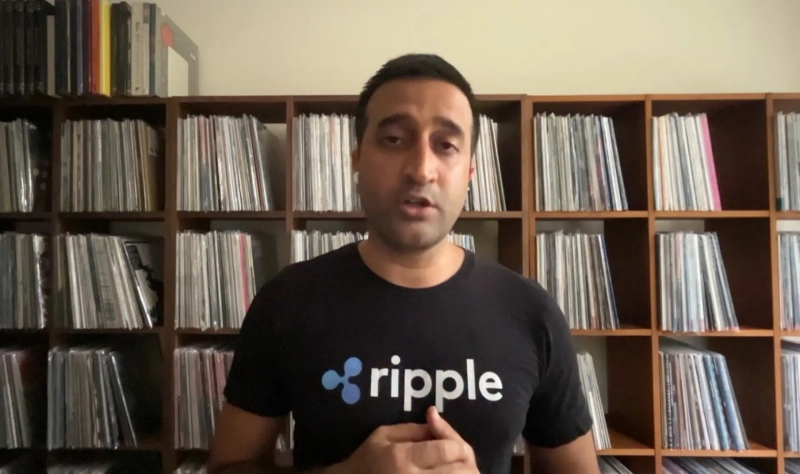
"Blockchain technology, including stablecoins, has emerged as a central pillar redefining global trade and capital markets."
Rahul Advani, Head of Asia-Pacific Policy at the enterprise blockchain solution company Ripple, emphasized the importance of stablecoins and the tokenization market at the 'Virtual Asset Investment Insight Forum 2025' held at Conrad Hotel in Yeouido, Seoul, on the 25th.
The Key to Adoption in the Virtual Asset Industry is 'Stablecoins'
Rahul Advani believes that the expansion of the Asian digital asset market in 2025 began with the rapid rise of 'stablecoins.'
He stated, "Stablecoins are no longer a niche technology. As digital assets linked to existing fiat currencies, they provide price stability, efficiency, and liquidity, establishing themselves as a major pillar of the global financial system." Stablecoins are already being utilized in numerous virtual asset payment solutions, including Ripple. The massive changes in the financial market being implemented in real-time are happening in reality.
He predicted that as regulatory bills for stablecoins are being prepared by numerous global regulatory authorities, including those in the United States and Europe, the influx of institutions and use cases will rapidly increase.
Rahul Advani emphasized, "Regulatory frameworks are being established in many countries, including the European Union's basic regulatory framework for virtual assets (MiCA) and stablecoin bills in the United States and Hong Kong," adding, "If clear regulations on stablecoins are added in Korea, institutional investment inflows, liquidity expansion, and real-life use cases can be significantly expanded."
Institutions Interested in Virtual Asset Custody… Need to Build Regulatory Framework
As institutional demand for entry into the digital asset market increases, the regulatory framework related to virtual asset custody must also be rapidly established.
Rahul Advani stated, "For institutions such as banks and asset management companies to enter the digital asset industry, security and a regulatory framework are essential," adding, "Korea must also establish a custody framework that meets international standards while ensuring investor protection and financial stability."
He continued, "Regulatory-based custody solutions will be the foundation for the widespread adoption of digital assets, from stablecoins to tokenized securities," adding, "Ripple is also leading the development of custody solutions with numerous institutions."
Maximizing Financial Efficiency through Real-World Asset Tokenization
He cited Real-World Asset Tokenization (RWA) as the most groundbreaking trend in the first half of 2025.
Rahul Advani explained, "Global financial institutions have a tremendous interest in tokenization technology. Converting real assets to a blockchain basis offers various advantages, such as 24-hour trading support, reduced settlement times, and reduced intermediary costs through smart contracts."
Numerous global financial companies, including BlackRock and JPMorgan, and regulatory authorities such as the Monetary Authority of Singapore (MAS) have been conducting pilot projects on the tokenization of deposits and financial products for several years.
Regarding the domestic market, he advised, "Korea also has significant opportunities in the tokenization market, but at the same time, a clear regulatory framework is needed. Key issues such as classification criteria for tokenized assets, the roles of financial institutions, encouraging innovation, and responsible risk management must be addressed."

YM Lee
20min@bloomingbit.ioCrypto Chatterbox_ tlg@Bloomingbit_YMLEE