

US-Japan, Yen Value Increase? Besent "Tariff Negotiation Agenda"
Summary
- The United States and Japan have set the value of the yen as a major agenda in tariff negotiations.
- Both countries recognize the issue of yen weakness and have stated the possibility of seeking cooperation to increase the yen's value against the dollar.
- However, the large size of the foreign exchange market makes it difficult to guarantee effectiveness, and artificial currency manipulation may violate G7 norms.
Trump Recognizes "Dollar Strength, Yen Weakness
Reducing US Manufacturing Competitiveness"
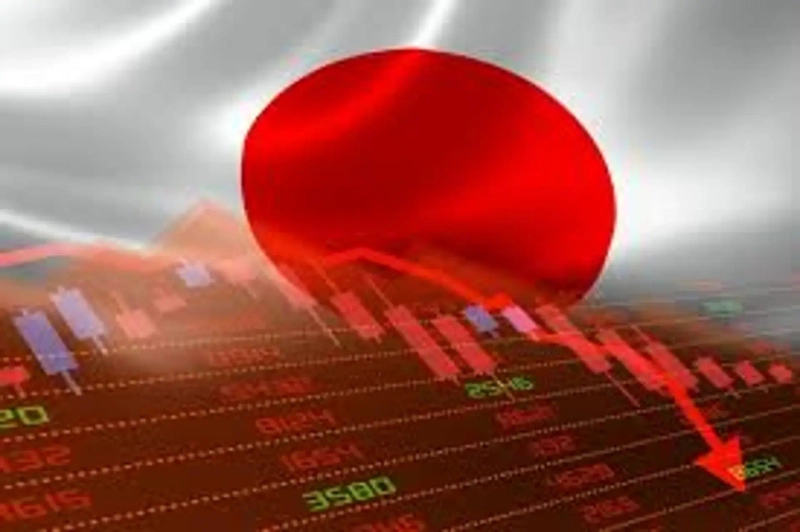
The value of the yen has emerged as a major agenda in the tariff negotiations between the United States and Japan. Observations suggest that both the US and Japanese governments recognize the issue of excessive yen depreciation and may agree to increase the yen's value against the dollar.
US Treasury Secretary Scott Besent stated on social media on the 8th regarding mutual tariff negotiations with Japan, "Japan remains one of the closest allies of the United States," and "I expect productive engagement related to tariffs, non-tariff trade barriers, currency issues, and government subsidies." This indicates an intention to include exchange rates as a negotiation agenda. US President Donald Trump and Japanese Prime Minister Shigeru Ishiba discussed tariff issues over the phone on the 7th before the mutual tariffs took effect and designated ministers to lead the negotiations. The US side is led by Secretary Besent. In Japan, Ryosei Akazawa, Minister of Economic Revitalization, is expected to lead the negotiations, and Finance Minister Katsunobu Kato is expected to address exchange rate issues.
President Trump has raised concerns about the 'strong dollar, weak yen' reducing the export competitiveness of US manufacturing. Since 2022, Japan has intermittently purchased yen in the foreign exchange market to curb excessive yen depreciation. The Nihon Keizai Shimbun observed, "There is room for compromise to correct the yen's weakness to control import prices."
However, there are concerns that even if the US and Japan engage in cooperative intervention, the foreign exchange market's size has grown too large to guarantee effectiveness. Inducing a weaker dollar contradicts the Group of Seven (G7) agreement prohibiting artificial currency manipulation. The Nihon Keizai Shimbun reported, "The United States-Mexico-Canada Agreement (USMCA) includes a clause to avoid currency manipulation," and "It may be referenced in future discussions."
Japan believes that if excessive yen depreciation disappears, it could positively impact the Bank of Japan's monetary policy decisions. The Bank of Japan has raised the benchmark interest rate since last year to mitigate the inflationary shock caused by the yen's weakness.
Tokyo Correspondent: Il-kyu Kim black0419@hankyung.com

Korea Economic Daily
hankyung@bloomingbit.ioThe Korea Economic Daily Global is a digital media where latest news on Korean companies, industries, and financial markets.