

EU Approves First Retaliatory Tariffs on US Steel and Aluminum Tariffs, Effective Mid-April
Summary
- The European Union approved imposing retaliatory tariffs on US products worth 21 billion euros in response to Trump's tariffs on steel and aluminum exports.
- These tariffs, mainly on agricultural products and poultry from Republican states, are set to be implemented in stages from mid-April.
- The EU stated that it could suspend the countermeasures if the US agrees to a fair and balanced negotiation.
25% Tariffs on Republican Agricultural Products, Poultry, Motorcycles, etc.
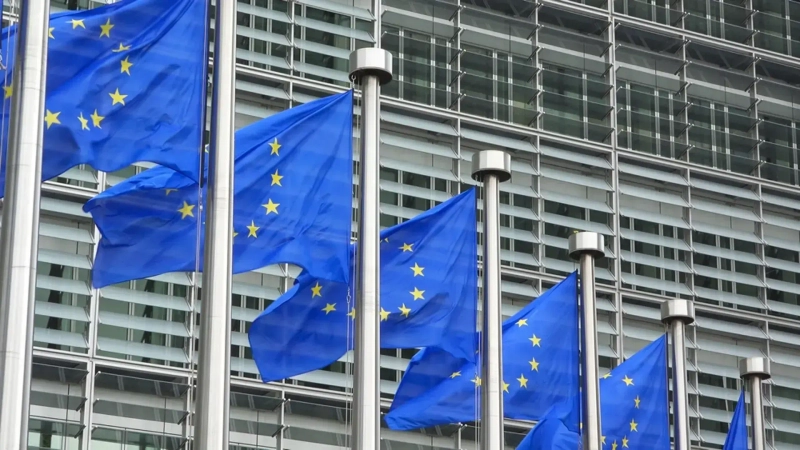
The European Union (EU) approved on the 9th (local time) the imposition of tariffs on US products worth 21 billion euros (34.37 trillion won) as a retaliatory measure against Trump's 25% tariffs on steel and aluminum exports.
On this day, a majority of the 27 EU member states voted in favor of the sanctions, with some measures set to take effect from mid-April. The tariffs include agricultural products, diamonds, poultry, motorcycles, etc., which are main products of Republican-supporting US states, such as soybeans from Louisiana, the district of House Speaker Mike Johnson.
The European Commission, the executive body of the EU, stated in a statement that it could suspend the countermeasures if the US agrees to a fair and balanced negotiation outcome.
The US imposed a 20% tariff on almost all European exports and a separate 25% tariff on cars and some car parts. Trump's tariffs apply to approximately 380 billion euros (621 trillion won) worth of EU goods.
Some of the EU tariffs will take effect from April 15, other items from mid-May, and a third set from December 1, according to reports. Most of the targeted items will be subject to a 25% tariff, while some items will have a 10% tariff. After Trump threatened to impose a 200% tariff on French and other European wines, champagne, and other alcoholic beverages, American bourbon was excluded from the retaliatory tariffs.
President Trump claimed that the EU, the largest trading partner, was established to ruin the US and that the EU's trade surplus is evidence of an unfair relationship. According to World Trade Organization (WTO) data, the EU's trade-weighted average tariff rate in 2023 is 2.7%.
A spokesperson for the European Commission stated that EU Trade Representative Maroš Šefčovič discussed the possibility of trade negotiations with US representatives late the previous day. Negotiators reported that there has been little progress so far and that the US team has not yet received clear negotiation instructions from Trump.
The EU executive is drafting a 'terms sheet' on negotiable areas, including lowering tariffs, regulations, and standards.
Separately, the EU is also preparing retaliatory measures for mutual tariffs that took effect from the 9th. The Commission announced that it would unveil plans early next week and begin consultations with member states.
Ursula von der Leyen, President of the European Commission, mentioned that the EU holds "many cards," including retaliatory tariffs and measures targeting US service and technology companies.
France, Germany, and other countries have demanded that the EU Commission use coercive measures. Coercive measures are the EU's most powerful trade tool, designed to counteract countries that use trade and economic measures coercively.
Guest Reporter Jung-A Kim kja@hankyung.com

Korea Economic Daily
hankyung@bloomingbit.ioThe Korea Economic Daily Global is a digital media where latest news on Korean companies, industries, and financial markets.