

PiCK
The Reason for Using 'Coin Payment' Instead of Cash When Traveling Abroad… 'A Surprising Reality'
Summary
- Major countries around the world are introducing cryptocurrency payment systems in the tourism industry, emphasizing the convenience and security of transactions.
- Travelers are focusing on the advantages of cryptocurrency payments, as they can reduce the burden of exchange procedures and fees and alleviate concerns about personal information leakage.
- The barriers to the adoption of cryptocurrency include price volatility, differences in national regulations, and lack of payment infrastructure, and there are challenges remaining for cryptocurrency to establish itself as a practical payment method.
Less Burden of Exchange Procedure Fees
Reducing Concerns of Personal Information Leakage
Cryptocurrency Used as a Means to Attract Tourists
Need for Support of User Acceptance
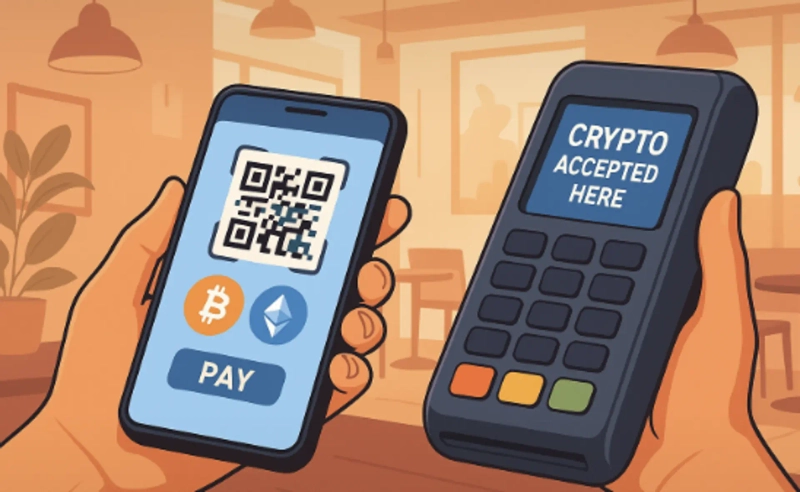
Major countries around the world are introducing virtual asset (cryptocurrency) payment systems in the tourism industry. This is because it can reduce the hassle of currency exchange and highlight the advantages of fast and secure transactions.
According to the industry on the 13th, cryptocurrency is actually being used as a payment method in some cases. It is evaluated as having the potential to be used as a payment method because it can enhance the transparency and security of transactions through a decentralized system, enabling efficient cross-border transactions.
In particular, the recently noted use case is the travel and tourism industry. This is because it can reduce the burden of exchange procedures and fees required for overseas travel, and operate a reservation system at a lower cost compared to existing credit card fees. It is expected to reduce the anxiety of travelers who are concerned about the misuse of personal information leakage during the local hotel check-in process.
An industry official said, "Many travelers are concerned about the misuse of personal information leakage and card duplication when asked to pay a deposit using a credit card at hotel check-in," adding, "Cryptocurrency payments may somewhat alleviate this."
Countries Introducing Cryptocurrency Payment Systems
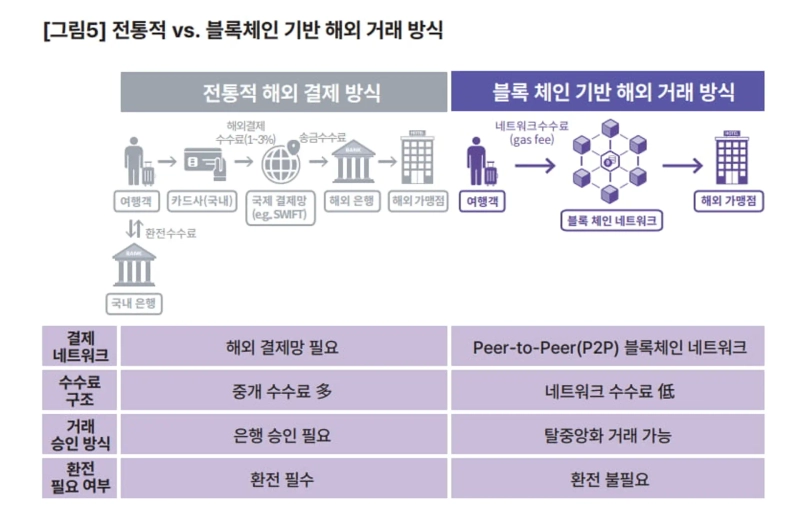
According to a report titled 'The Rise of Virtual Currency and the Possibility of Changes in Payment Methods' published by the travel research center Yanolja Research, major tourist countries such as Japan, Dubai, the European Union (EU), and Singapore are introducing payment systems using cryptocurrency and blockchain technology.
Yanolja Research evaluated Japan as a leading country in integrating cryptocurrency into the tourism industry. One example is Yamaguchi City and Hagi City in Yamaguchi Prefecture, Japan, which have been providing local tourist attractions digitally as non-fungible tokens (NFTs) targeting foreign visitors since last year. 'LuraCoin', Japan's first tourism-specialized blockchain digital currency, is being used as a payment method at tourist facilities across Japan, such as hot springs, hotel restaurants, and souvenir shops. As of February, it is accepted at more than 300 local stores.
In Dubai, about 40% of luxury hotel chains and large shopping malls support payments with major cryptocurrencies such as Bitcoin and Ethereum. Ripple (XRP) has focused on expanding real-time remittance and payment services for tourists, enhancing the usability of cryptocurrency in the tourism industry.
The European Union (EU) is also gradually introducing cryptocurrency payment infrastructure in some member countries. About 25% of major luxury brands in Europe allow Bitcoin as well as stablecoins (cryptocurrencies with reduced volatility) as payment methods, and they are being introduced in airport duty-free shops and large shopping malls.
Thailand provides shopping, activity, and accommodation discounts to NFT holders through a project. This year, they plan to expand the benefits by more than 50% to attract Korean tourists.
"Legal Regulation Resolution, User Acceptance Must Be Supported"
The industry is optimistic about the long-term impact of cryptocurrencies, which are highly utilized in the travel industry, but analyzed that there are many challenges to overcome before it becomes a mainstream payment method.
The biggest obstacle is the price volatility of cryptocurrencies. It is difficult to use as an actual payment method because the price changes frequently. Recently, Bitcoin's price fluctuated by more than 10% in a day due to a combination of factors such as inflation, economic recession, and concerns about tariffs imposed by President Trump.
Differences in national regulations on cryptocurrencies and lack of payment infrastructure are acting as barriers to popularization. While some countries are actively adopting it, others maintain strict regulations. If the convenience of the system and user interface are not sufficiently distributed, it is realistically inevitable that existing payment methods such as credit cards or cash will prevail.
Yanolja Research said, "How cryptocurrency will reshape travel payments and the future of global finance depends on institutional progress and market acceptance," adding, "As significant changes related to this are expected in the coming years, countries, financial sectors, and industries need to keep various possibilities open and actively research while closely analyzing the global situation."
Shin Yong-hyun, Hankyung.com reporter yonghyun@hankyung.com

Korea Economic Daily
hankyung@bloomingbit.ioThe Korea Economic Daily Global is a digital media where latest news on Korean companies, industries, and financial markets.